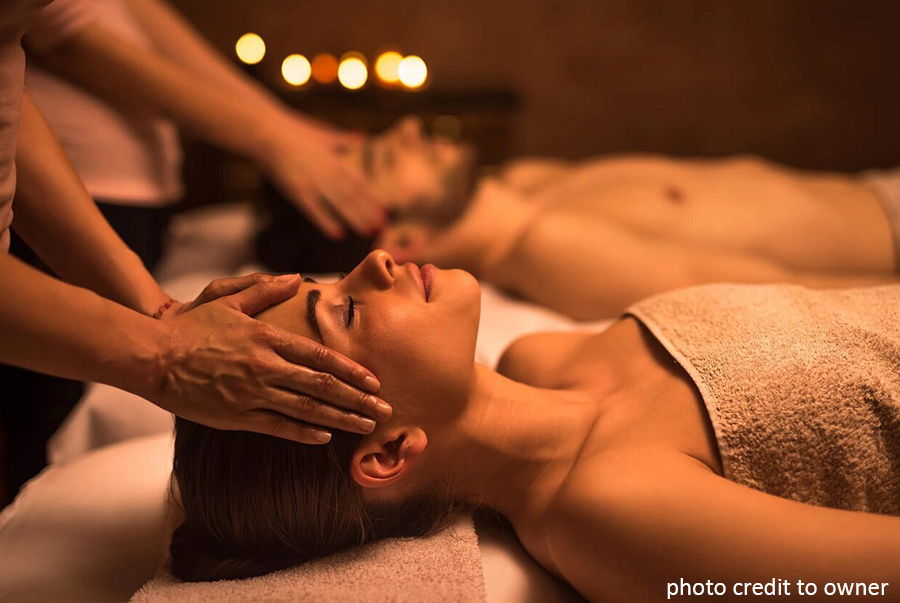
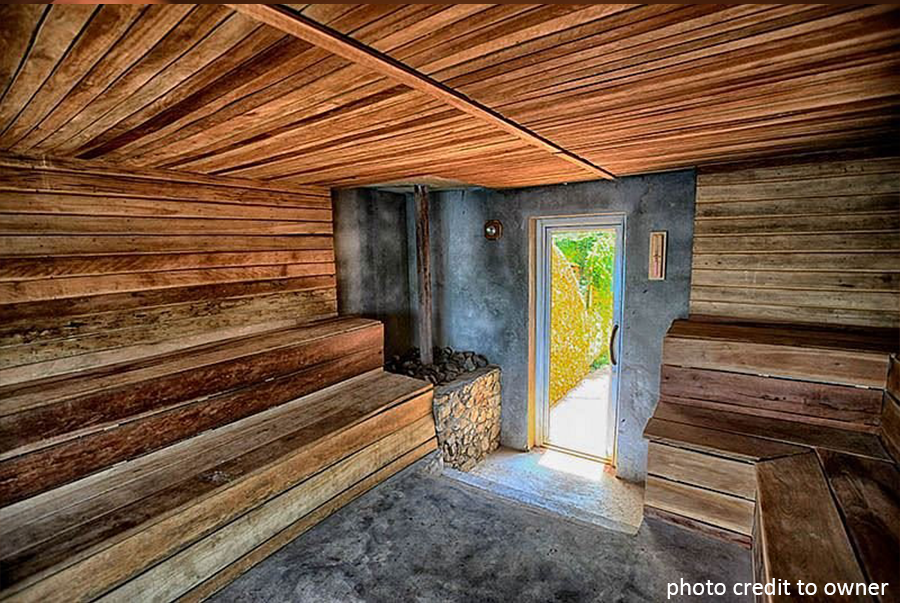
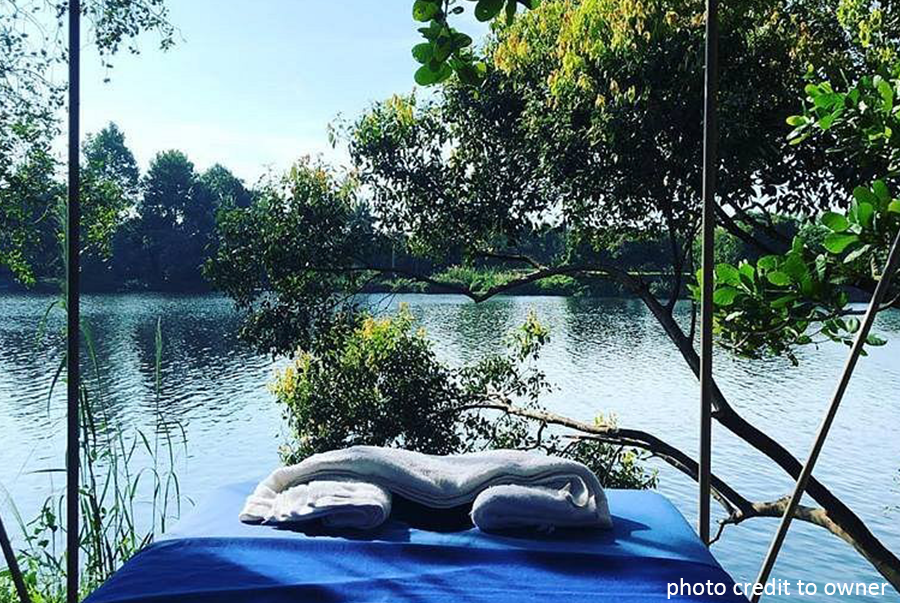
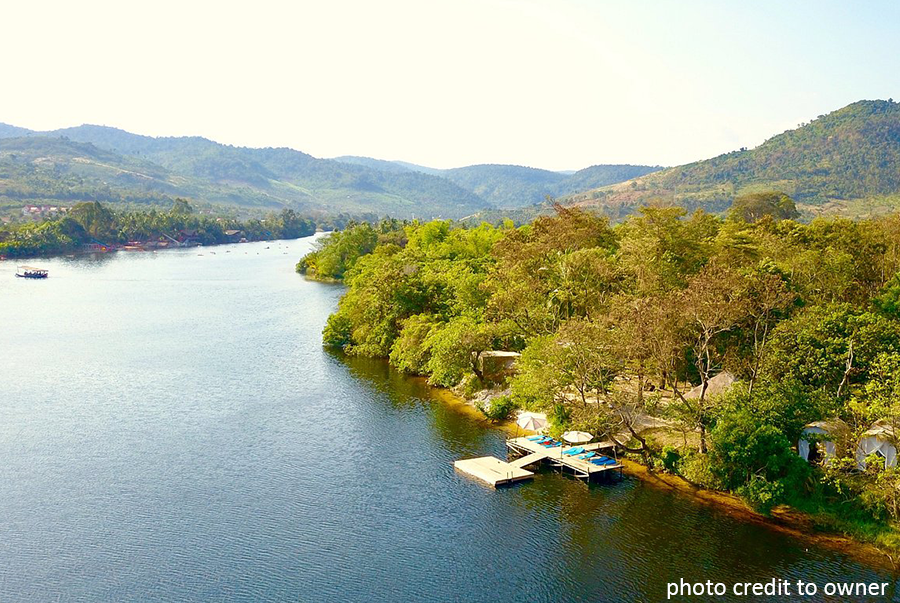
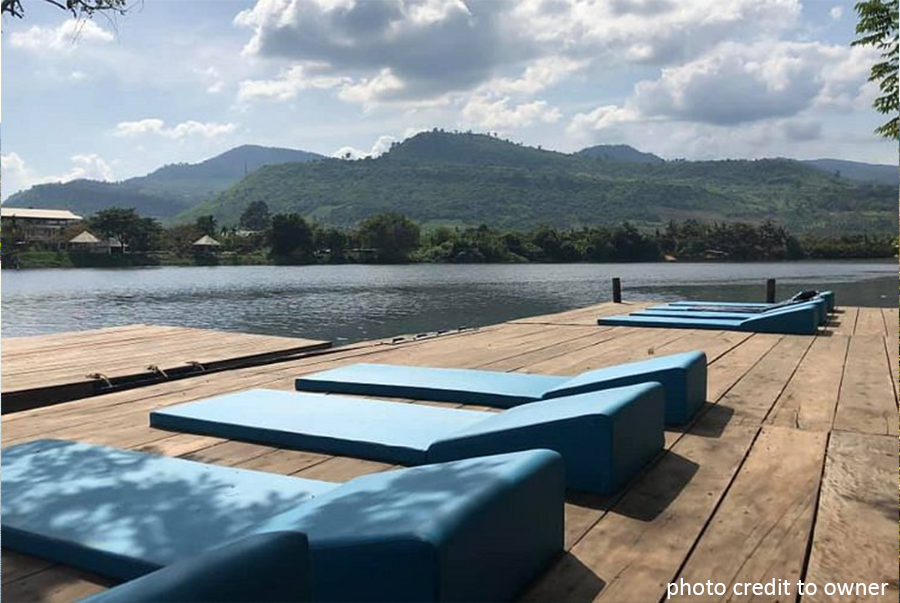
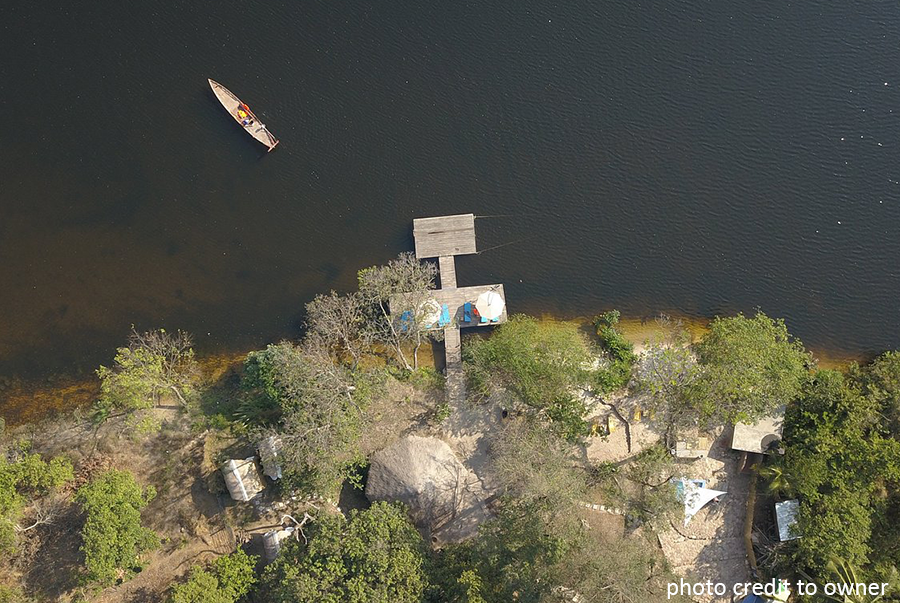
Discover true relaxation and rejuvenation at Nibi Spa, a hidden sanctuary in the peaceful town of Kampot where natural beauty and tranquility come together to create an unforgettable wellness experience. Designed to refresh both body and mind, Nibi Spa offers a serene environment inspired by nature, with soothing music, gentle lighting, and aromatic scents that instantly calm your senses. Each treatment is thoughtfully crafted to promote healing, balance, and inner peace using high-quality natural products and traditional techniques. Guests can choose from a wide range of massages — from the classic Khmer traditional massage to aromatherapy and deep tissue options — all performed by professional and attentive therapists dedicated to ensuring your complete comfort.
At Nibi Spa, it’s not just about relaxation; it’s about renewal. The spa’s holistic approach focuses on relieving stress, improving circulation, and enhancing overall well-being. Whether you’ve spent the day exploring Kampot’s scenic countryside, the majestic Bokor Mountain, or the tranquil riverside, a visit to Nibi Spa provides the perfect way to unwind and restore your energy. Couples can also indulge in special treatments designed to create moments of connection and serenity. With its peaceful ambiance, warm hospitality, and dedication to quality care, Nibi Spa stands out as one of Kampot’s most cherished wellness destinations. Step inside, leave your worries behind, and let Nibi Spa take you on a soothing journey that refreshes your body, awakens your spirit, and renews your sense of balance in the heart of Kampot.
Located along the River about 11 km from Sokchea Kampot Hotel.
Operation Hours: 9:00 AM, 9:30 AM, or 10:00 AM Tuesday to Friday
Reservation contact +855 (0)16460110
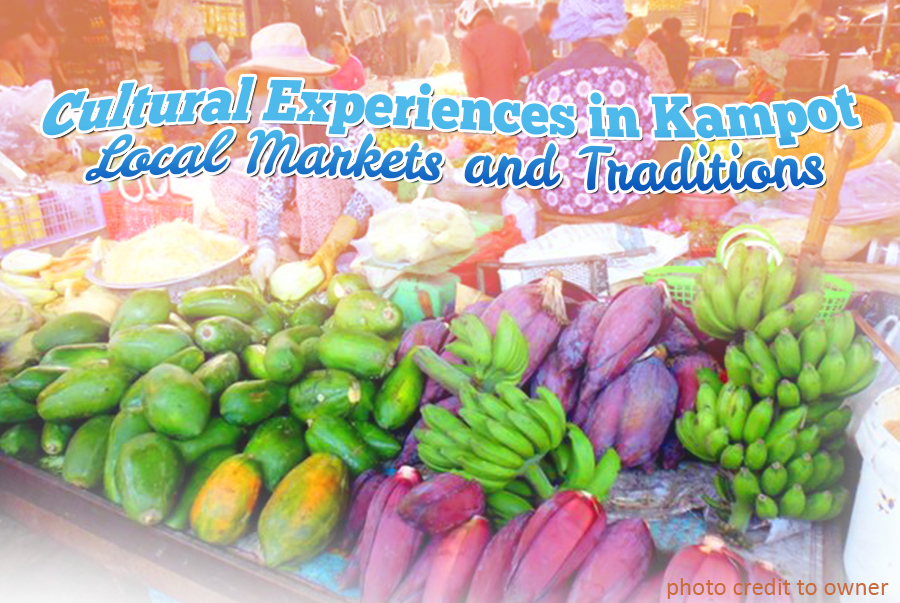
Kampot, a charming riverside town in southern Cambodia, offers visitors a rich blend of cultural experiences shaped by its history, traditions, and vibrant community life. One of the most immersive ways to understand the heart of Kampot is through its local markets, where daily life unfolds with color, aroma, and warmth. The bustling Kampot Market serves as a cultural hub where vendors sell fresh produce, handmade crafts, and iconic regional goods such as Kampot pepper. Walking through the aisles, travelers can watch locals bargain, prepare ingredients, and share stories—an authentic glimpse into the rhythms of Cambodian life.
Beyond its markets, Kampot’s traditions are deeply rooted in Khmer culture. Many families continue to practice age-old customs, including preparing traditional meals, celebrating Buddhist festivals, and crafting artisanal products. Visitors may encounter monks collecting morning alms, a serene practice that reflects the town’s spiritual devotion. Seasonal festivals, such as Pchum Ben or Khmer New Year, bring entire communities together through music, dance, food offerings, and temple ceremonies, showcasing the strong bonds that hold Kampot’s society together.
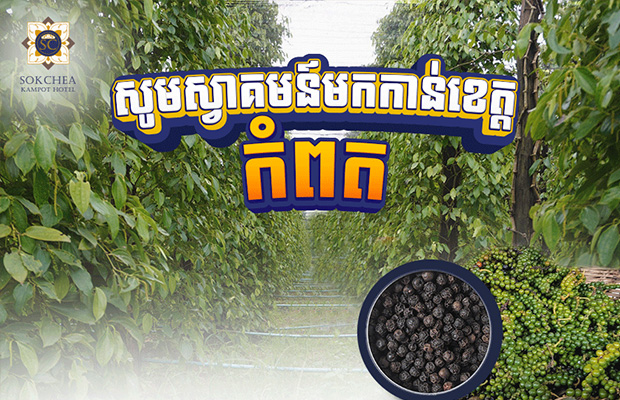
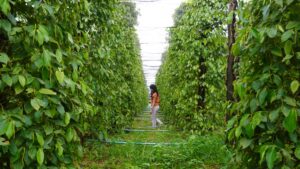
Kampot is also known for its agricultural heritage, especially the production of the world-famous Kampot pepper. Visiting a pepper farm allows travelers to learn how this prized spice is cultivated, harvested, and dried using traditional methods passed down through generations. These experiences not only highlight Kampot’s cultural identity but also support local farmers and preserve long-standing traditions.
In essence, Kampot’s markets and traditions offer an authentic, meaningful window into Cambodian culture, making it a memorable destination for any traveler.
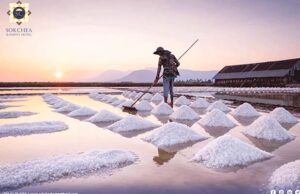
The Kampot Salt Fields are located in Kampot Province, Cambodia, near the coastal town of Kampot and the neighboring province of Kep. These salt fields are renowned for their traditional salt production methods, which have been passed down through generations.
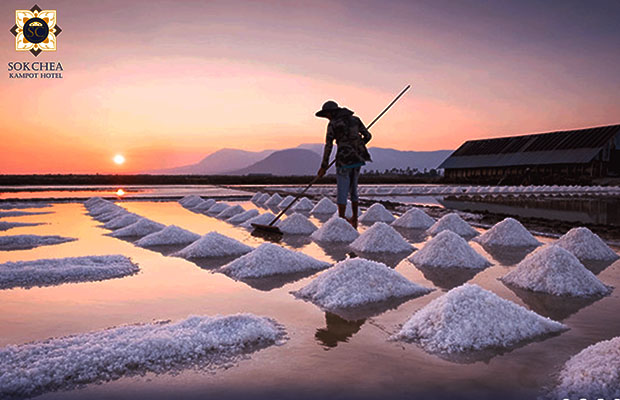
The salt fields are typically made up of vast expanses of shallow, rectangular basins filled with seawater. The process of salt production begins during the dry season when the seawater is directed into the basins through a series of canals and channels. As the water evaporates under the hot sun, it leaves behind a layer of salt crystals on the basin’s surface.
Workers then carefully rake the salt crystals from the basins and pile them up to dry further in the sun. Once dried, the salt is collected, sorted, and packed for distribution to local markets or for export.
Visitors to the Kampot Salt Fields can observe this traditional salt-making process and learn about the significance of salt production in the region’s economy and culture. The salt fields also offer picturesque views, especially during sunrise and sunset, making them a popular destination for tourists exploring the Kampot Province. Additionally, many tours in the area include visits to the salt fields as part of their itinerary, providing visitors with insight into Cambodia’s rural life and traditional industries.
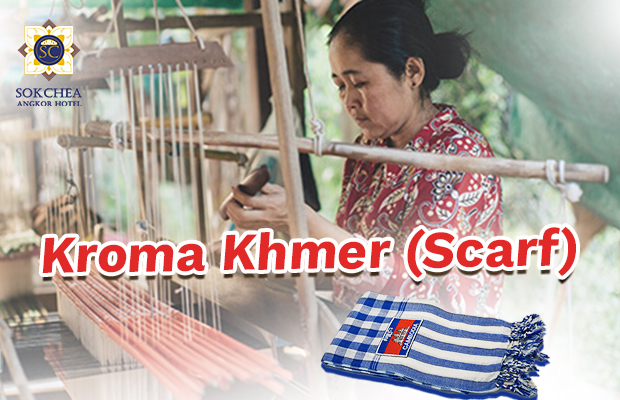
The Kroma, a traditional Cambodian scarf, is more than just a piece of cloth—it’s a powerful symbol of Khmer identity, culture, and everyday life. Woven from cotton or silk, the Kroma is typically checkered in patterns of red and white, blue and white, or black and white, though modern variations come in many colors. This versatile garment has been worn by Cambodians for centuries and serves multiple practical and cultural purposes. It can be used as a head covering to shield from the sun, a towel, a face mask for dusty roads, a belt, a baby carrier, or even as a hammock for infants. Farmers wear it while working in the fields, monks drape it over their shoulders, and city dwellers carry it as a sign of national pride. Beyond its function, the Kroma also holds cultural significance, often appearing in traditional dance performances and as a meaningful gift to visitors. Its enduring presence in both rural and urban areas highlights the resilience and resourcefulness of Cambodian people. Whether bought at a local market in Siem Reap or woven by hand in a rural village, the Kroma is a timeless piece of Khmer heritage that connects the past with the present, offering travelers not just a souvenir, but a meaningful glimpse into Cambodia’s rich cultural fabric.
Kampot pepper (Khmer: ម្រេចកំពត, mrech Kampot; French: poivre de Kampot) is a highly regarded black pepper cultivar grown in Cambodia’s Kampot Province. Historically known as Indochinese pepper during the French protectorate era, it derives its modern name from its cultivation region.
Certified as a geographical indication (GI) product in Cambodia since 2010 and in the European Union since 2016, this status ensures that only pepper from Kampot and Kep provinces can be labeled “Kampot Pepper,” preserving its quality and authenticity.
There are two primary varieties:
Small Leaf Variety (កំចាយ, kamchay)
Big Leaf Variety (lampong or belantoeung)
In 2016, Cambodia produced 11,819 tonnes of black pepper, with Kampot contributing significantly, although most production came from Tbong Khmum. Vietnam, in comparison, is the largest global producer with 155,000 tons in 2014.
The rise in market prices for pepper has led to new plantations in Cambodia, raising concerns about deforestation due to large-scale farming.
Kampot pepper’s distinctive flavor and high quality make it a prized ingredient worldwide. Its rich history, spanning centuries of cultivation, along with strict GI standards, ensure its status as a symbol of Cambodian agricultural excellence and heritage.
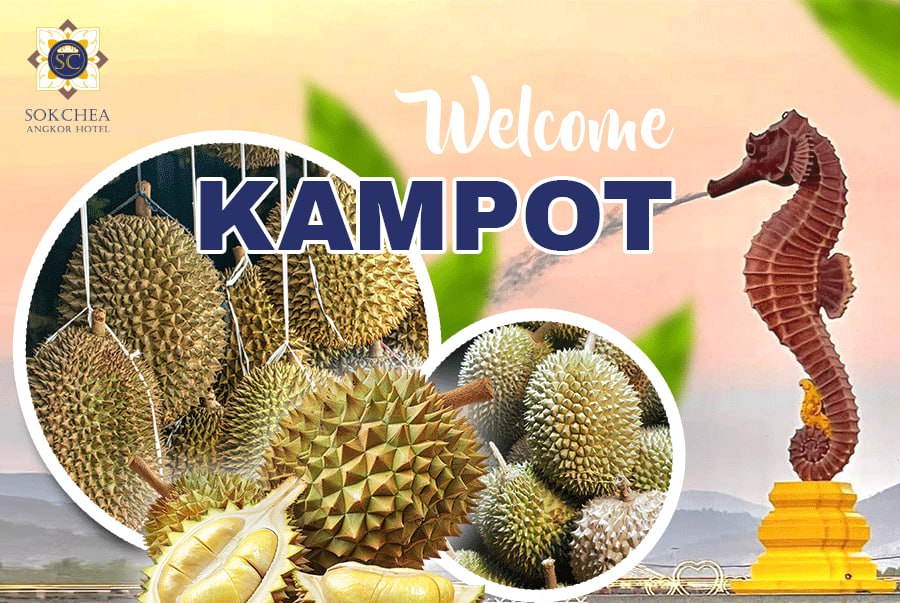
Kampot, known for its lush landscapes and agricultural richness, is indeed home to several durian farms. Durian, famously dubbed the “king of fruits,” thrives in the region’s tropical climate, making Kampot an ideal location for cultivating this unique and pungent fruit.
Visiting a durian farm in Kampot offers travelers the opportunity to experience firsthand the cultivation and harvesting process of this iconic fruit. Depending on the farm, visitors may be able to participate in guided tours where they can learn about durian cultivation techniques, explore the orchards, and even taste freshly harvested durians.
In addition to durians, many farms in Kampot also cultivate other fruits such as mangoes, rambutans, and pomelos, providing a diverse agricultural experience for visitors.
Kampot Durian, renowned for its unique flavor and aroma, typically ripens and becomes available for harvest during the durian season, which generally spans from May to September. However, the exact timing can vary depending on weather conditions and the specific variety of durian being cultivated.
During the durian season, you’ll find an abundance of this prized fruit at local markets, roadside stalls, and durian farms throughout Kampot and the surrounding regions. Many farmers also offer durian tasting experiences, allowing visitors to sample different varieties and learn more about this beloved fruit.
Looking for the accommodation in kampot, look no further than Sokchea Kampot Hotel.
Tucked away in southern Cambodia, Kampot is a charming riverside town that captivates visitors with its blend of colonial-era architecture, tranquil natural surroundings, rich culture, and laid-back lifestyle. Whether you’re seeking relaxation, adventure, or a mix of both, Kampot offers something for every traveler. Before packing your bags, it’s essential to know what to expect, how to get there, what to do, and how to make the most of your visit to this peaceful destination.
Getting There
Kampot is located approximately 150 kilometers southwest of Phnom Penh, Cambodia’s capital. The journey by road takes about 3 to 4 hours depending on traffic. The most common ways to reach Kampot include bus services, private taxis, or minivans. Several transportation companies like Giant Ibis, Virak Buntham, and Kampot Express offer daily departures from Phnom Penh, Sihanoukville, and Kep. For those arriving internationally, the nearest airport is Phnom Penh International Airport (PNH), followed by a scenic road journey to Kampot.
When to Visit
The best time to visit Kampot is during the dry season, which typically spans from November to April. This period offers pleasant weather with clear skies, ideal for sightseeing and outdoor activities. The rainy season, from May to October, can also be rewarding if you enjoy lush green landscapes, fewer tourists, and don’t mind occasional showers. Be mindful of potential flooding during heavy rains, particularly if exploring rural or riverside areas.
Where to Stay
Kampot offers a wide range of accommodations, from riverside bungalows and boutique guesthouses to modern hotels and eco-lodges. A standout mid-range choice is Sokchea Kampot Hotel, which offers a comfortable stay in a tranquil setting, blending traditional French Colonial architecture with modern amenities. Located conveniently for both exploring the town and relaxing by the mountain and river scenery, it’s ideal for couples, families, and solo travelers alike.
Getting Around
Getting around Kampot is straightforward. The town center is compact and walkable, especially the area near the river. For exploring the countryside or more distant attractions, motorbike rentals and tuk-tuks are widely available. Motorbike rentals start at about $5–7 per day. Bicycles are also a popular choice for a slower-paced exploration. If you’re not comfortable riding, tuk-tuks and taxis can be hired for half-day or full-day tours at reasonable prices.
Things to Do in Kampot
Despite its small-town charm, Kampot offers a wide range of attractions and activities:
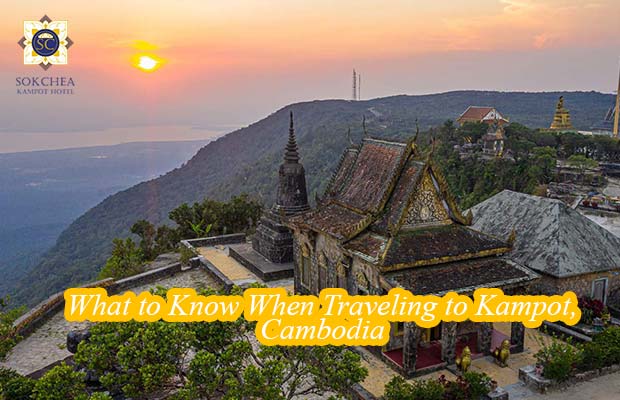
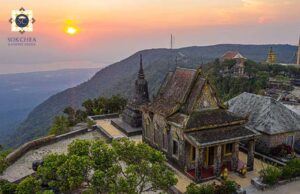
Bokor Mountain National Park – A must-visit, featuring the haunting ruins of Bokor Hill Station, a historic Catholic church, the iconic statue of Lok Yeay Mao, and dramatic panoramic views over the Gulf of Thailand. The scenic winding road to the top is a highlight for riders.
Kampot Pepper Farms – Internationally famous for its aromatic pepper, Kampot is home to several farms like La Plantation and Sothy’s Pepper Farm. Visitors can take guided tours to learn about traditional pepper cultivation and taste the different varieties.
Kampot River – The river is the town’s heartbeat. Visitors can enjoy kayaking, paddleboarding, ziplining at Lomhae Dong Prek, or relaxing on sunset cruises. Many riverside cafés and lodges provide perfect spots to unwind with stunning views.
Sunset River Cruise in Kampot
Salt Fields – Kampot’s salt production is a unique industry to observe. Visit during the dry season to see workers harvesting salt in the traditional way across shimmering salt pans.
Kampot Salt field
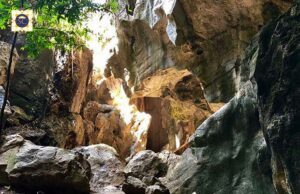
Caves and Countryside – Discover limestone caves like Phnom Chhngok, which houses a 7th-century brick temple inside, or Phnom Sorsia with its “White Elephant Cave.” Surrounding villages and rice paddies offer a serene glimpse into rural Cambodian life.
Phnom Chhngok
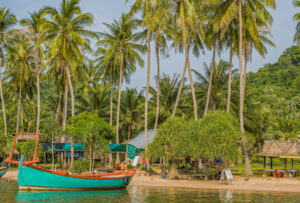
Kep and Rabbit Island – A short drive from Kampot, Kep is known for its crab market and quiet beaches. From Kep’s pier, catch a boat to Rabbit Island (Koh Tonsay) for a relaxed beach day or overnight stay in simple bungalows.
Koh Tonsay
Kampot Old Town & Night Market – Stroll the colonial-era streets filled with French-style architecture, quirky shops, art galleries, and riverside cafés. The night market, though small, comes alive with local food, crafts, and music in the evenings.
The Old French Bridge in Kampot
Food and Drink
Kampot’s culinary scene is diverse and delightful. From classic Khmer dishes like amok (coconut curry fish) and lok lak (marinated beef) to Western favorites, there’s no shortage of flavors. The iconic Kampot pepper crab is a local specialty not to be missed.
Recommended spots include:
Epic Arts Café – A social enterprise supporting people with disabilities, offering great food in a welcoming atmosphere.
Café Espresso – Popular among expats and travelers for its excellent coffee and hearty breakfasts.
The town also boasts a selection of riverside bars and live music venues, perfect for a laid-back evening. Happy hour deals and open-mic nights are common, especially on weekends.
Culture and Local Etiquette
Kampot locals are known for their warmth and friendliness. Tourism is growing but still modest compared to places like Siem Reap or Phnom Penh. Modest dress is encouraged, especially when visiting temples or rural villages. A few simple Khmer phrases like “Sua s’dei” (hello) and “Aw kun” (thank you) go a long way. Tipping is not mandatory but appreciated for good service.
Currency and Budget
Cambodian Riel (KHR) is the official currency, but US dollars are commonly used. Small denominations are helpful in markets and with tuk-tuks. Kampot is budget-friendly — travelers can get by on $30–50 per day, including meals, transport, and accommodation. Mid-range or luxury stays may cost $60–100+ daily.
Safety and Health
Kampot is generally safe, with low crime rates. Still, use common sense — don’t leave valuables unattended, especially at night. Wear helmets if riding motorbikes and use bottled or filtered water. Local pharmacies can handle minor issues, but for serious medical needs, Phnom Penh offers better facilities. Travel insurance is strongly recommended.
Final Tips
Connectivity: Wi-Fi is reliable in most hotels and cafés. For mobile data, local SIM cards from Smart or Metfone are inexpensive and widely available.
Electricity: Cambodia uses 230V and plugs of types A, C, and G. Bring a universal adapter if needed.
Eco-Friendly Travel: Respect the environment. Reduce single-use plastics, avoid disturbing wildlife, and support local businesses.