Salt Fields and Pepper Plantations: Day Trips from Sokchea Kampot Hotel

A stay at Sokchea Kampot Hotel offers more than just comfort and convenience—it opens the door to some of Cambodia’s most fascinating cultural and agricultural experiences. Among the most memorable day trips from the hotel are visits to the region’s iconic salt fields and pepper plantations, where guests can witness traditional livelihoods that have shaped Kampot’s identity for generations.

Just a short drive from the hotel, the Kampot salt fields stretch across a shimmering landscape near the coast. During the dry season, visitors can observe the meticulous process of salt production, from channeling seawater into evaporation ponds to collecting the gleaming crystals by hand. The scene is both picturesque and educational, revealing the hard work and natural harmony behind this essential trade.

Equally captivating are the pepper plantations nestled in the lush countryside. Kampot pepper, renowned worldwide for its exceptional aroma and quality, has earned a protected geographical indication (PGI) status. A guided tour offers guests the chance to stroll through verdant vines, learn about organic farming methods, and sample freshly harvested pepper varieties—from mild to fiery.

Sokchea Kampot Hotel can easily arrange private tours or group excursions to these sites, ensuring comfort and authentic insight along the way. Whether for photographers, food lovers, or cultural explorers, these day trips provide a deeper appreciation of Kampot’s rural charm and rich heritage.

Exploring the salt fields and pepper plantations truly completes the Kampot experience.

Related Blog

The Kroma, a traditional Cambodian scarf, is more than just a piece of cloth—it’s a powerful symbol of Khmer identity, culture, and everyday life. Woven from cotton or silk, the Kroma is typically checkered in patterns of red and white, blue and white, or black and white, though modern variations come in many colors. This versatile garment has been worn by Cambodians for centuries and serves multiple practical and cultural purposes. It can be used as a head covering to shield from the sun, a towel, a face mask for dusty roads, a belt, a baby carrier, or even as a hammock for infants. Farmers wear it while working in the fields, monks drape it over their shoulders, and city dwellers carry it as a sign of national pride. Beyond its function, the Kroma also holds cultural significance, often appearing in traditional dance performances and as a meaningful gift to visitors. Its enduring presence in both rural and urban areas highlights the resilience and resourcefulness of Cambodian people. Whether bought at a local market in Siem Reap or woven by hand in a rural village, the Kroma is a timeless piece of Khmer heritage that connects the past with the present, offering travelers not just a souvenir, but a meaningful glimpse into Cambodia’s rich cultural fabric.

Kampot, known for its lush landscapes and agricultural richness, is indeed home to several durian farms. Durian, famously dubbed the “king of fruits,” thrives in the region’s tropical climate, making Kampot an ideal location for cultivating this unique and pungent fruit.

Visiting a durian farm in Kampot offers travelers the opportunity to experience firsthand the cultivation and harvesting process of this iconic fruit. Depending on the farm, visitors may be able to participate in guided tours where they can learn about durian cultivation techniques, explore the orchards, and even taste freshly harvested durians.

In addition to durians, many farms in Kampot also cultivate other fruits such as mangoes, rambutans, and pomelos, providing a diverse agricultural experience for visitors.

Kampot Durian, renowned for its unique flavor and aroma, typically ripens and becomes available for harvest during the durian season, which generally spans from May to September. However, the exact timing can vary depending on weather conditions and the specific variety of durian being cultivated.

During the durian season, you’ll find an abundance of this prized fruit at local markets, roadside stalls, and durian farms throughout Kampot and the surrounding regions. Many farmers also offer durian tasting experiences, allowing visitors to sample different varieties and learn more about this beloved fruit.

Looking for the accommodation in kampot, look no further than Sokchea Kampot Hotel.


The Kampot Salt Fields are located in Kampot Province, Cambodia, near the coastal town of Kampot and the neighboring province of Kep. These salt fields are renowned for their traditional salt production methods, which have been passed down through generations.

The salt fields are typically made up of vast expanses of shallow, rectangular basins filled with seawater. The process of salt production begins during the dry season when the seawater is directed into the basins through a series of canals and channels. As the water evaporates under the hot sun, it leaves behind a layer of salt crystals on the basin’s surface.

Workers then carefully rake the salt crystals from the basins and pile them up to dry further in the sun. Once dried, the salt is collected, sorted, and packed for distribution to local markets or for export.

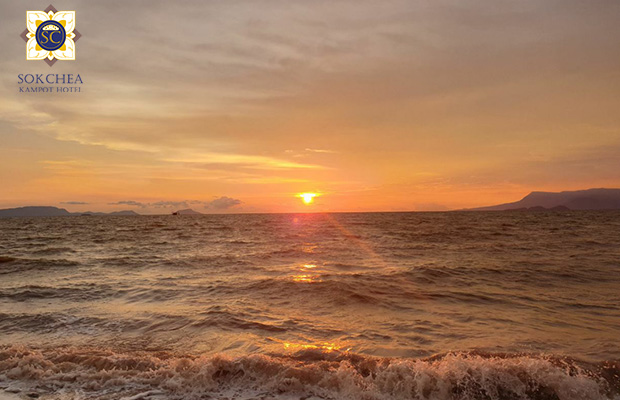
Visitors to the Kampot Salt Fields can observe this traditional salt-making process and learn about the significance of salt production in the region’s economy and culture. The salt fields also offer picturesque views, especially during sunrise and sunset, making them a popular destination for tourists exploring the Kampot Province. Additionally, many tours in the area include visits to the salt fields as part of their itinerary, providing visitors with insight into Cambodia’s rural life and traditional industries.

River Festival 2025: Celebrating Cambodia’s Natural and Cultural Heritage
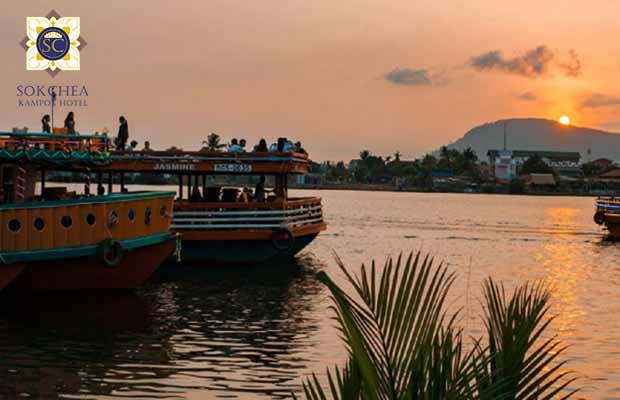
Cambodia is a country rich in cultural traditions and natural beauty, and one of the most anticipated annual events that showcases this heritage is the River Festival. This festival, which first began in 2015, is held in a different province each year, highlighting the significance of Cambodia’s rivers in the country’s history, tourism, and daily life. In 2025, the 9th River Festival will take place from March 21 to 23 in Takeo province, under the theme “The Value of River: Bridging Culture with Nature Tourism.” This event will serve as a platform to promote tourism, celebrate local culture, and bring economic benefits to the community while emphasizing the importance of protecting Cambodia’s natural waterways

A Celebration of Culture and Tourism
The River Festival is designed to be a vibrant and inclusive event that attracts visitors from across Cambodia and beyond. It features a variety of cultural performances, exhibitions, and interactive experiences that showcase the rich traditions of the host province. Takeo province, known for its ancient temples, serene landscapes, and historical significance, is an ideal location for this event. The festival’s main venue, Takeo Lakeside Park in Daun Keo City, will provide a stunning backdrop for the festivities, allowing visitors to appreciate both the cultural heritage and natural beauty of the region.

The 2025 festival’s theme emphasizes the deep connection between Cambodia’s rivers and its cultural identity. The event will highlight how rivers have played a vital role in Khmer civilization for centuries, serving as essential transportation routes, sources of livelihood, and centers of spiritual significance. By blending cultural performances with eco-tourism activities, the festival aims to encourage sustainable tourism practices and promote the conservation of Cambodia’s natural resources.

Exciting Activities and Attractions
One of the most exciting aspects of the River Festival is the diverse range of activities it offers. Visitors can enjoy traditional music and dance performances, showcasing Cambodia’s artistic heritage. Local artisans will display their crafts, allowing guests to witness and purchase handmade products that reflect the craftsmanship of Takeo’s skilled artisans. Food lovers will have the opportunity to sample traditional Khmer cuisine, with food stalls offering a variety of local dishes.

Beyond cultural experiences, the festival will also feature sports competitions, including canoeing, kayaking, and boat races, which celebrate the strong connection between Cambodian people and their waterways. A 75-kilometer Phnom Penh-Takeo cycling race is expected to draw professional and amateur cyclists alike. Other sports activities, such as fun runs, volleyball, and traditional Khmer martial arts demonstrations, will provide entertainment and participation opportunities for visitors of all ages.

One of the highlights of the event will be the sky lantern displays, where hundreds of lanterns will be released into the night sky, creating a breathtaking visual experience. This tradition is believed to bring good luck and is a favorite attraction for both locals and tourists.

Economic and Social Impact
The River Festival is not only a celebration but also an important economic and social event. By attracting thousands of visitors, it provides a significant boost to local businesses, including hotels, restaurants, and transportation services. The festival also creates opportunities for local entrepreneurs and artisans to showcase their products and generate income.

In preparation for the festival, the Ministry of Tourism has issued guidelines to ensure high-quality services for visitors.

Local vendors are encouraged to decorate their stalls in ways that reflect Khmer culture and the unique identity of Takeo province. Authorities are working closely with businesses to maintain fair pricing, ensure cleanliness, and provide sufficient parking spaces to accommodate large crowds. These efforts aim to enhance the visitor experience and establish Takeo as a premier tourist destination.


A Tradition of Success
Since its launch in 2015, the River Festival has been hosted in different provinces, each offering a unique cultural and natural backdrop. In 2024, the event was held in Siem Reap and attracted over 500,000 visitors, making it one of the most successful editions of the festival. The event was temporarily suspended in 2021 and 2022 due to the COVID-19 pandemic but resumed in 2023 with great enthusiasm. The 2025 edition in Takeo is expected to continue this success, drawing even larger crowds and further solidifying the festival’s role in Cambodia’s tourism industry.

As of May 2025, conservation efforts in Cambodia’s Kampot province continue to focus on the protection and study of the Indo-Pacific humpback dolphins, commonly known as pink dolphins. These dolphins are primarily found in the coastal waters of Kampot and Koh Kong provinces.

Population Monitoring and Conservation Efforts

Marine Conservation Cambodia (MCC), in collaboration with the Fisheries Administration (FiA) and local communities, has been actively monitoring the dolphin populations. Recent surveys have estimated the presence of approximately 40 to 46 pink dolphins and 20 to 30 Irrawaddy dolphins in the areas of Prek Tnaot, Trapeang Ropov, and Chhanghon within Kampot province . These efforts include the installation of sonar sensors to accurately track dolphin pods and the use of artificial habitats to support their growth .

Community Involvement and Ecotourism

Local communities have been instrumental in conservation activities. Fishermen are encouraged to report and release any accidentally captured dolphins. Additionally, community-led ecotourism initiatives offer boat tours for visitors to observe dolphins, seagrass beds, and other marine life, providing both educational experiences and alternative income sources for locals .

Challenges and Ongoing Research

Despite these positive developments, challenges remain. In April 2025, a pink dolphin was found dead off the coast of Kampot. While the cause of death remains undetermined, such incidents highlight the need for continued vigilance and research to ensure the protection of these endangered species .

Overall, the collaborative efforts between conservation organizations, government agencies, and local communities have contributed to the ongoing protection and study of pink dolphins in Cambodia’s coastal regions.

La Plantation was founded in 2013 by a French-Cambodian couple, Nathalie and Guy Porré, who were deeply inspired by Cambodia’s cultural richness and agricultural potential. After discovering the deep heritage of Kampot Pepper once prized by chefs around the world — they made it their mission to revive and protect this iconic spice through ethical and sustainable farming.

What began as a small project turned into a flourishing agro-tourism destination, one of the most respected pepper farms in Cambodia and across Southeast Asia.

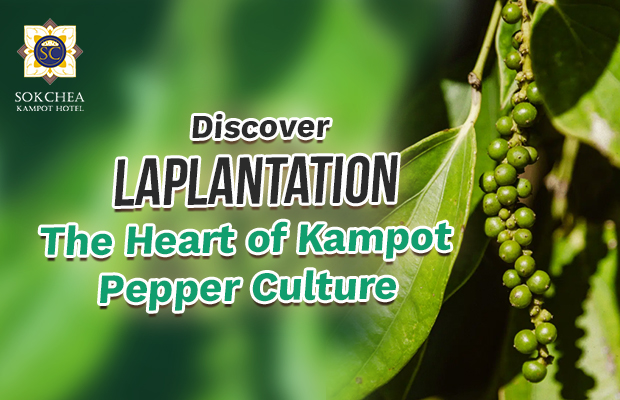
🌿 Discover La Plantation: The Heart of Kampot Pepper Culture

When visiting Kampot, one experience that truly captures the soul of the region is a visit to La Plantation — a world-renowned pepper farm and agro-tourism destination. Nestled among the lush green hills just outside Kampot city, La Plantation isn’t just a pepper farm — it’s a living story of tradition, sustainability, and the unforgettable taste of Kampot Pepper, Cambodia’s culinary treasure.

🫚 What Makes La Plantation Special?

La Plantation is one of the leading producers of certified organic Kampot pepper — a product recognized globally with a Protected Geographical Indication (PGI), much like Champagne in France or Parma ham in Italy. But beyond growing premium pepper, La Plantation offers visitors an immersive experience into Cambodia’s spice culture.

🌱 Guided Tours: From Farm to Flavor

Whether you’re a foodie, a nature lover, or simply curious, La Plantation welcomes you with free guided tours in English, Khmer, or French. During the tour, you’ll learn:

  • How Kampot pepper is planted, harvested, and sun-dried by hand
  • The differences between black, red, white, and green pepper
  • Sustainable farming practices that protect the local ecosystem

You’ll walk through the vibrant pepper gardens, see local workers in action, and gain a deep appreciation for the hard work behind each tiny peppercorn.

🧂 Taste the Difference: Kampot Pepper Tasting

One of the highlights of any visit is the pepper tasting session. Here, you’ll get to:

  • Sample the various types of Kampot pepper each with its unique aroma and flavor
  • Try their famous fresh salted green pepper crunchy, mildly spicy, and incredibly addictive
  • Discover other exotic spices grown on-site like turmeric, long pepper, and galangal

Many visitors are surprised to learn how nuanced pepper can be it’s not just “hot”; it’s floral, fruity, herbal, and earthy all at once.

🍽️ Khmer Cuisine Meets French Flair

La Plantation also features a charming on-site restaurant and spice bar, where you can taste local Cambodian dishes with a gourmet twist all enhanced with their freshly harvested spices. Popular menu items include:

  • Beef Lok Lak with Kampot black pepper sauce
  • Pepper ice cream (yes, it’s delicious!)
  • Fresh tropical fruit juices and cocktails infused with local herbs

Cooking classes are also available for those who want to take a deeper dive into Khmer cuisine.

❤️ A Commitment to Community & Sustainability

La Plantation is more than a tourist destination. it’s a community-driven project. Founded by a French Cambodian couple, the farm:

  • Provides stable employment to over 100 local workers
  • Supports a local primary school and offers scholarships
  • Rescues and restores traditional Khmer wooden houses for use on-site
  • Is certified organic and actively promotes sustainable farming

By visiting, you’re directly supporting local farmers and helping preserve Kampot’s cultural and agricultural heritage.

🧭 How to Get There from Sokchea Kampot Hotel

La Plantation is about 25–30 minutes from Kampot town. Here are your options:

  • Tuk-tuk: A scenic countryside ride
  • Shuttle or private car: We can help arrange transport for you — just ask at our front desk!
  • Motorbike: For the adventurous traveler

Make sure to bring sunscreen, a hat, and a camera the views over the rice fields and mountains are stunning.

🌟 Don’t Miss This Unique Kampot Experience

A visit to La Plantation is more than a farm tour . it’s a journey into Cambodia’s rich agricultural tradition, local flavors, and warm hospitality. Whether you’re staying a few days or a week in Kampot, this is one of the must-do experiences we highly recommend.