Khmer Water Festival

The Water Festival this year falls on November 7-9. But with Cambodia set to host the ASEAN summit and related meetings in the same week this month, the festival are not being celebrated in Phnom Penh, though some provinces have been holding celebrations since October.

Known locally as Bon Om Touk, the festival takes place in late October or early November to mark the end of the monsoon season as well as the change in flow of the Tonle Sap River.

The second day of the festival aligns with the date of the full moon on the Khmer lunar calendar month of Katdoek (or Kartika in Sanskrit), which is said to be when the long-cycle rice crop is ready for harvest.

The festival usually features dragon longboat races on its first day. Royal boat races have been held in Cambodia since at least the time of King Jayavarman VII to celebrate the victory of the Khmer navy over Cham invaders from the Champa kingdom in a large boat battle on the Tonle Sap Lake.

During the Longvek period of the 16th and 17th centuries, King Ang Chan I appointed Ponhea Yat as the “earth-guardian” in Kampuchea Krom’s Bassac district and he organised the navy into three groups to defend the region from invasion by the Da Viet kingdom under ruler Mac Dang Dung.

Related Blog

អាណាចក្រខ្មែរ គឺ ជា សម័យ មួយ ដែល មាន ភាពរុងរឿង បំផុតក្នុងប្រវត្តិសាស្ត្ រជាតិខ្មែរ។ ដោយសារ ហេតុដែលខ្មែរមានដែនដីធំធេង និងវិសាលភាព យ៉ាងច្រើន អាណាចក្រខ្មែរ ត្រូវបានហៅថា “មហាអាណាចក្រខ្មែរ”។ ប្រវត្តិសាស្ត្រ របស់អាណាចក្រ នេះត្រូវបានចងក្រង និងរក្សាទុកតាមរយៈសិលាចារឹក និងសាស្ត្រាស្លឹករឹត។

សាស្ត្រាស្លឹករឹត គឺជាគម្ពីរ ឬ អត្ថបទបុរាណដែលត្រូវបានចារនៅលើស្លឹករឹត។ ស្លឹករឹតគឺជាស្លឹករបស់ដើមទ្រាំង ដែលមានប្រភពមកពីភាគខាងកើត និងខាងជើងនៃប្រទេសឥណ្ឌា និងស្រីលង្កា។ នៅក្នុងតំបន់អាស៊ីអាគ្នេយ៍ ដើមទ្រាំងនេះអាចរកឃើញនៅប្រទេសកម្ពុជា ថៃ និងភូមា។ នៅប្រទេសកម្ពុជា ដើមទ្រាំងមានច្រើននៅខេត្តក្រចេះ និងកំពង់ធំ។

សម្ដេចព្រះសង្ឃរាជ ជួនណាត បានពន្យល់ថា ពាក្យ “សាស្ត្រា” ក្នុងភាសាបាលី និងសំស្ក្រឹត មានន័យថា ក្បួនច្បាប់ ឬ សេចក្តីដឹង ដែលពាក់ពន្ធ័ទៅនឹងចំណេះដឹង វិទ្យាសាស្ត្រ សាសនា ច្បាប់ និងទ្រឹស្តីអំពីជីវិត។ អ្នកស្រាវជ្រាវខ្លះទៀតក៏បានរៀបរាប់ថា សាស្ត្រាស្លឹករឹតមានកំណើតចាប់ពីសម័យអង្គរ។

សាស្ត្រាស្លឹករឹត ត្រូវបានផ្សព្វផ្សាយដល់ប្រជាជនខ្មែរយ៉ាងទូលំទូលាយ នៅសម័យកាលមុនៗ ហើយត្រូវបានប្រើប្រាស់ជាប្រចាំ។ ប៉ុន្តែពេលកន្លងមក វប្បធម៌សិលាចារឹក និងសាស្ត្រាស្លឹករឹតក៏បានរលាយបាត់បង់បន្តិចម្តងៗ ដោយសារអវត្តមាននៃការរក្សាទុក និងការចែកចាយខ្វះខាត។

សព្វថ្ងៃ សាស្ត្រាស្លឹករឹតភាគច្រើន ត្រូវបានរក្សា និងប្រើប្រាស់នៅតែក្នុងវត្តអារាមប៉ុណ្ណោះ ដូច្នេះ វាក៏មានហានិភ័យបាត់បង់បន្តិចម្តងៗ ផងដែរ។ បណ្តាលមកពីការរីកចម្រើននៃបច្ចេកវិទ្យាទំនើប ដែលរំពឹងឱ្យប្រើសៀវភៅ ឬវិធីសាស្ត្រឌីជីថលជំនួស។

សរុបមក សាស្ត្រាស្លឹករឹតគឺជាទ្រព្យសម្បត្តិបុរាណដ៏មានតម្លៃ ដែលបង្ហាញពីភាពចម្បងនៃវប្បធម៌ និងស្មារតីដ៏ខ្ពង់ខ្ពស់របស់ជាតិខ្មែរ។ វាអាចជាគម្ពីរសាសនា ឬឯកសារដែលរៀបរាប់អំពីពង្សាវតារនៃប្រទេសខ្មែរយើងផងដែរ។

The Khmer Empire was one of the most glorious periods in Cambodian history. Due to the vast territory under Khmer control, it earned the title of the “Great Khmer Empire.” This rich history has been recorded and preserved through stone inscriptions and Sastra Slëk Rëet (palm-leaf manuscripts).

What is Sastra Slëk Rëet made from?
Sastra Slëk Rëet refers to ancient texts inscribed on palm leaves, specifically the leaves of the T’rang tree (Corypha palm). This tree originates from the eastern and northern parts of India and Sri Lanka. In Southeast Asia, the T’rang tree can be found in countries like Cambodia, Thailand, and Myanmar. In Cambodia, the tree is mostly found in Kratie and Kampong Thom provinces.

According to Samdech Preah Sangharaja Chuon Nath, the word Sastra in Pali and Sanskrit means “doctrine,” referring to knowledge, sciences, religion, law, and philosophies about life. Some scholars have stated that Sastra Slëk Rëet dates back to the Angkor period.

These palm-leaf manuscripts were widely shared among Khmer people in the past and used over many generations. However, as time went on, both the tradition of stone inscriptions and the use of palm-leaf manuscripts have gradually faded. Today, Sastra Slëk Rëet is mostly preserved and used only within Buddhist pagodas. As a result, it is slowly being lost due to the rise of modern technology such as printed books and digital formats.

In conclusion, Sastra Slëk Rëet is a valuable cultural heritage of the Khmer people. These texts, written on palm leaves, include religious scriptures and historical records that reflect the wisdom and identity of the Khmer civilization.

#at Sokchea Angkor Hotel Lobby

When planning a stay in Kampot, finding the right room is key to a comfortable and memorable trip. Sokchea Kampot Hotel offers a variety of room options to suit different types of travelers, whether you’re a solo explorer, a couple seeking a romantic getaway, or a family on vacation.

For solo travelers or couples, the Deluxe King or Deluxe Twin rooms are perfect choices. These rooms are spacious, well-furnished, and come with a private balcony or terrace. Each includes modern amenities like air conditioning, a flat-screen TV, and a clean, stylish bathroom — everything you need for a relaxing stay.

If you’re looking for a bit more luxury, the Deluxe Premium King or Deluxe Premium Twin offers enhanced comfort. These rooms often include a bathtub, better views, and a more refined interior design — ideal for guests who appreciate a touch of elegance during their trip.

For families or groups, Sokchea Kampot Hotel provides two larger options: the Deluxe Family Suite and the Family Suite with Balcony. With two or three king-size beds and over 70 square meters of space, these suites are designed to accommodate multiple guests without compromising on comfort. They also include balconies or terraces with scenic views of the surrounding area.

Whether you’re looking for value, luxury, or space, Sokchea Kampot Hotel has a room that matches your needs. With thoughtful amenities and traditional Khmer charm, it’s a great choice for your next Kampot stay.

Kampot, a tranquil riverside town in southern Cambodia, is known for its colonial charm, pepper farms, and scenic mountain views. Yet beyond its relaxed atmosphere, Kampot hosts a variety of festivals and events that showcase its vibrant culture and growing creative scene. For visitors, these celebrations offer an enriching way to connect with local traditions and the community spirit.

One of the most anticipated events is the Kampot River Festival, which brings together athletes, performers, and food vendors for a lively weekend along the riverside. Featuring boat races, dance shows, and artisanal markets, the festival celebrates the province’s natural beauty and cultural diversity. Equally notable is the Cambodian Kite Festival, where traditional kites known as khleng ek fill the sky. This event highlights an important aspect of Khmer heritage while offering spectacular visuals for onlookers.

Food lovers shouldn’t miss the Kampot Pepper Festival, a tribute to the region’s world-renowned pepper. Visitors can enjoy cooking demonstrations, pepper tastings, and farm tours that reveal the spice’s journey from vine to table. Meanwhile, the Kampot Writers and Readers Festival attracts creatives from around the world, transforming the town into a hub of storytelling, music, and discussion.

Additionally, Kampot’s many music and art events, often hosted in its boutique bars and eco-resorts, provide travelers with intimate cultural experiences year-round. Whether you’re drawn to food, arts, or traditional performances, Kampot’s festivals offer a rich blend of local flavor and creativity. Attending these events will leave any visitor with unforgettable memories of Cambodia’s vibrant arts and cultural scene.

Kampot has a long and fascinating history, dating back to the Angkorian period when it was an important trading hub. Over time, it played a significant role in Cambodia’s maritime trade due to its strategic location near the coast.

During the French colonial era (1863–1953), Kampot became a key commercial center. The French built roads, bridges, and colonial-style buildings, many of which still stand today. The town was also famous for its high-quality Kampot pepper, which gained international recognition.

In the 1970s, during the Khmer Rouge era, Kampot, like much of Cambodia, suffered greatly. Many historical buildings were abandoned, and the region’s economy declined. However, in recent decades, Kampot has revived, becoming a top destination for travelers looking to experience its unique blend of history, nature, and culture.

Top Things to Do in Kampot
1. Explore Bokor National Park
Bokor Hill Station, built by the French in the 1920s as a hill retreat, features abandoned colonial buildings, including the old Catholic church and the Bokor Palace Hotel. The park offers stunning views, waterfalls, and rich wildlife.

2. Walk Through the Old Colonial Town
Take a leisurely stroll through the old town, where you can see well-preserved French colonial buildings, such as the Kampot Provincial Hall and the Old Market.

kampot provincial museum
Kampot Provincial Museum

3. Visit a Kampot Pepper Farm
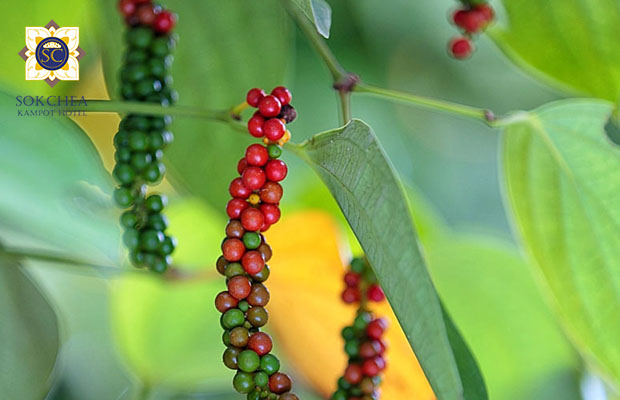
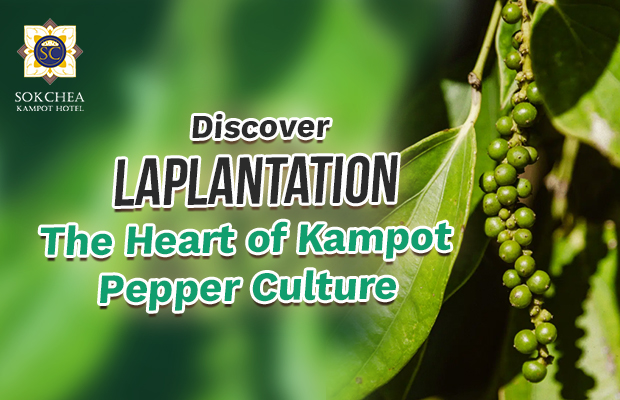
Kampot pepper, once prized by French chefs, remains a symbol of the town’s agricultural heritage. Farms like La Plantation and BoTree offer guided tours where you can see the traditional growing and harvesting process.

Kampot Pepper
Kampot Pepper

4. Take a Sunset Cruise on the Kampot River
Enjoy a relaxing boat ride along the river, where you can admire mangroves, mountains, and fireflies at night.

Sunset River Cruise in Kampot

5. Discover the Salt Fields
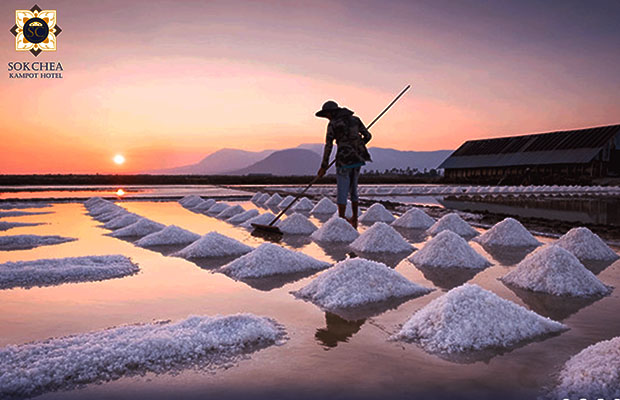
Kampot’s salt fields are a reminder of Cambodia’s traditional salt production methods. The best time to visit is during the dry season when workers harvest salt by hand.

Kampot Salt field
Kampot Salt field

6. Take a Day Trip to Kep
A short drive from Kampot, Kep was a popular French seaside resort in the early 20th century. Today, it’s famous for the Kep Crab Market, where you can enjoy fresh seafood.

7. Visit Phnom Chhngok Cave Temple
A fascinating cave with a 7th-century brick temple inside, Phnom Chhngok offers history and adventure in one stop.

8. Try Outdoor Activities
Kayaking or paddleboarding on the river.
Cycling through the countryside to see traditional Cambodian villages.
Tubing along the river for a relaxing afternoon.

Where to Stay in Kampot
For Comfort and Relaxation: Sokchea Kampot Hotel
A peaceful hotel with modern amenities, ideal for honeymooners, families, or those looking for a quiet retreat.
Offers a range of accommodation from Single Rooms to Family Rooms.

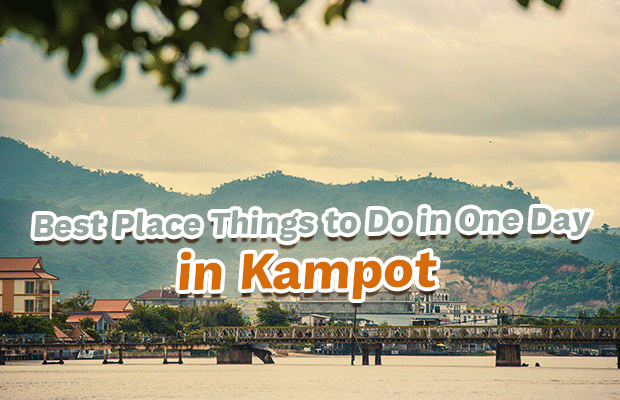
Nestled in southern Cambodia, Kampot is a serene province celebrated for its unspoiled natural beauty. Framed by rolling mountains, tranquil rivers, and golden sunsets, this charming town offers an ideal escape for nature lovers and adventure seekers alike. Its peaceful rhythm and stunning scenery make Kampot one of Cambodia’s most captivating destinations.

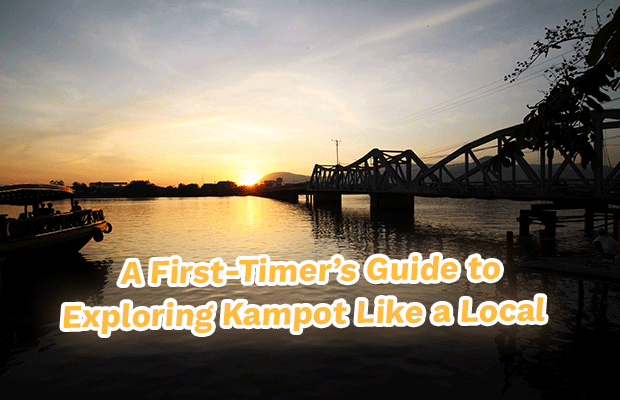
The Kampot River is the lifeblood of the region, winding gracefully through lush greenery and traditional villages. Visitors can enjoy boat cruises at sunrise or sunset, kayak along the gentle current, or simply relax on the riverbanks while watching local fishermen at work. The calm waters reflect the changing colors of the sky, creating a scene of pure tranquility.

Towering over the landscape is Bokor Mountain, a must-visit for its cool climate and panoramic views. The mountain’s winding roads lead to hidden waterfalls, misty forests, and the famous Bokor Hill Station—an old French colonial site that offers both history and breathtaking scenery. Nature enthusiasts can also spot diverse wildlife and enjoy peaceful hiking trails through the national park.

As the day fades, Kampot’s sunsets paint the sky in brilliant shades of orange, pink, and purple. The best viewing spots are along the river or from the hilltops, where the horizon stretches endlessly.

From shimmering rivers to majestic mountains and unforgettable sunsets, Kampot’s natural wonders invite visitors to slow down, explore, and reconnect with nature’s simple beauty.

Traveling from Phnom Penh to Kampot is a rewarding journey that takes you from the bustling capital city to the tranquil riverside town famous for its natural beauty and French colonial charm. The distance between Phnom Penh and Kampot is approximately 150 kilometers, and the trip usually takes between three to five hours, depending on your mode of transport.

One of the most popular and affordable ways to reach Kampot is by bus or minivan. Several transportation companies offer daily services, with air-conditioned vehicles and comfortable seating. Buses generally depart from the city center and arrive at Kampot town, providing an easy and scenic ride through the countryside. Travelers looking for more privacy and flexibility may prefer hiring a private taxi or SUV, which allows convenient stops for photos or refreshments along the way.

Another enjoyable option is traveling by train, operated by the Royal Railway of Cambodia. The train route offers a slower but more peaceful journey, showcasing rural landscapes, green fields, and mountain views. It is a unique and nostalgic experience for those who wish to travel at a relaxed pace.

For adventurous travelers, motorbike or car rental gives full freedom to explore at their own schedule, with the highway and well-paved roads making it a pleasant drive. Whether you seek comfort, adventure, or scenic beauty, every option from Phnom Penh to Kampot promises a memorable start to your stay in this charming coastal province.