Traveling around Kampot is simple and enjoyable, especially when starting from Sokchea Kampot Hotel, located near the heart of the charming riverside town. Kampot’s compact size makes many attractions easy to reach on foot. If you enjoy scenic strolls, walk to nearby landmarks like the Night Market, Big Durian, or Seahorse Statue in just a few minutes. Walking around town also lets you soak up the relaxed atmosphere and spot hidden cafés, shops, and local life.
For longer distances or exploring beyond the town center, bicycles are a popular choice. You can rent one for just a few dollars a day, and ride along flat streets or out toward salt fields, pepper farms, and the Kampot countryside.
If you prefer quicker or more flexible transport, tuk-tuks and moto-taxis are widely available. These three-wheeled vehicles can be hired for short trips in town or for full-day excursions like Bokor Mountain or Kampot pepper plantations. Negotiating the price before your trip helps ensure a fair fare, and ride-hailing apps such as PassApp can provide fixed pricing and convenience.
For complete freedom, renting a motorbike gives you the ability to explore further attractions at your own pace. Always wear a helmet and follow local traffic rules for safety.
No matter how you choose to travel, starting from Sokchea Kampot Hotel lets you access all of Kampot’s best experiences—whether through walking, biking, tuk-tuk, or scooter—making your visit smooth and memorable.
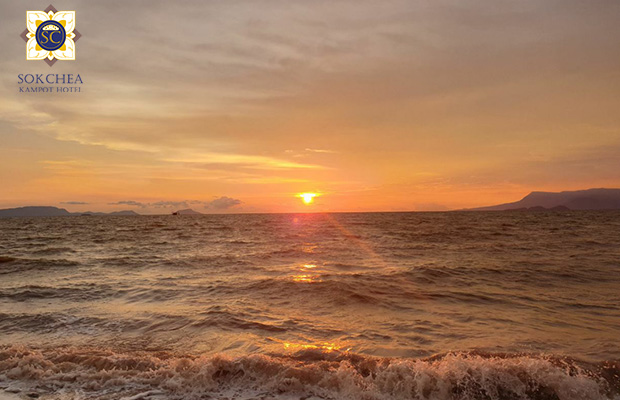
Nestled along Cambodia’s southern coast, Kep Beach is a hidden gem that offers an unparalleled experience for sunset enthusiasts. As the day begins to wane, Kep Beach transforms into a serene haven where the vibrant hues of the setting sun paint the sky and sea in a mesmerizing display.
Imagine strolling along the soft sandy shore, the gentle waves lapping at your feet as the sky transitions from the warm glow of daylight to a palette of oranges, pinks, and purples. The calm waters of the Gulf of Thailand mirror the kaleidoscope of colors, creating a breathtaking vista that feels almost surreal.
As you find your perfect spot on the beach, the sun slowly descends towards the horizon, casting a golden path across the water. The silhouette of the distant islands adds to the enchanting scene, providing a picturesque backdrop for this natural spectacle. The tranquil atmosphere is occasionally punctuated by the laughter of children playing in the distance and the soft murmur of conversations from nearby beachgoers, all captivated by the beauty unfolding before them.
Whether you’re a photographer looking to capture the perfect shot, a couple seeking a romantic moment, or a solo traveler in search of peace and reflection, the sunset at Kep Beach offers something for everyone. The experience is enhanced by the simplicity of the surroundings—no towering buildings or bustling crowds, just the pure, unspoiled beauty of nature.
As the sun finally dips below the horizon, the sky’s colors deepen and the first stars begin to twinkle, marking the end of another beautiful day in Kep. The gentle transition from day to night leaves a lingering sense of tranquility and a lasting impression, making sunset at Kep Beach an unforgettable highlight of any visit to this charming coastal town.
Tucked away in southern Cambodia, Kampot is a charming riverside town that captivates visitors with its blend of colonial-era architecture, tranquil natural surroundings, rich culture, and laid-back lifestyle. Whether you’re seeking relaxation, adventure, or a mix of both, Kampot offers something for every traveler. Before packing your bags, it’s essential to know what to expect, how to get there, what to do, and how to make the most of your visit to this peaceful destination.
Getting There
Kampot is located approximately 150 kilometers southwest of Phnom Penh, Cambodia’s capital. The journey by road takes about 3 to 4 hours depending on traffic. The most common ways to reach Kampot include bus services, private taxis, or minivans. Several transportation companies like Giant Ibis, Virak Buntham, and Kampot Express offer daily departures from Phnom Penh, Sihanoukville, and Kep. For those arriving internationally, the nearest airport is Phnom Penh International Airport (PNH), followed by a scenic road journey to Kampot.
When to Visit
The best time to visit Kampot is during the dry season, which typically spans from November to April. This period offers pleasant weather with clear skies, ideal for sightseeing and outdoor activities. The rainy season, from May to October, can also be rewarding if you enjoy lush green landscapes, fewer tourists, and don’t mind occasional showers. Be mindful of potential flooding during heavy rains, particularly if exploring rural or riverside areas.
Where to Stay
Kampot offers a wide range of accommodations, from riverside bungalows and boutique guesthouses to modern hotels and eco-lodges. A standout mid-range choice is Sokchea Kampot Hotel, which offers a comfortable stay in a tranquil setting, blending traditional French Colonial architecture with modern amenities. Located conveniently for both exploring the town and relaxing by the mountain and river scenery, it’s ideal for couples, families, and solo travelers alike.
Getting Around
Getting around Kampot is straightforward. The town center is compact and walkable, especially the area near the river. For exploring the countryside or more distant attractions, motorbike rentals and tuk-tuks are widely available. Motorbike rentals start at about $5–7 per day. Bicycles are also a popular choice for a slower-paced exploration. If you’re not comfortable riding, tuk-tuks and taxis can be hired for half-day or full-day tours at reasonable prices.
Things to Do in Kampot
Despite its small-town charm, Kampot offers a wide range of attractions and activities:
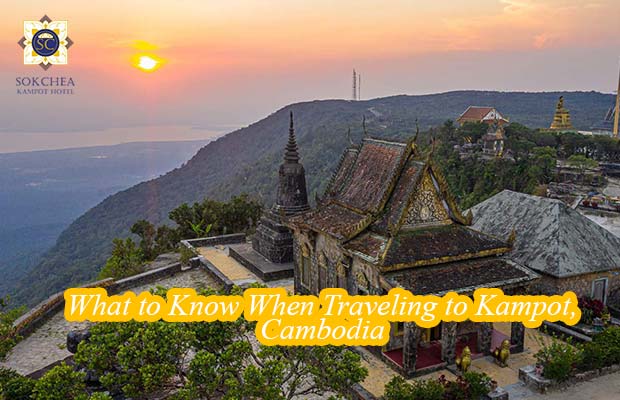
Bokor Mountain National Park – A must-visit, featuring the haunting ruins of Bokor Hill Station, a historic Catholic church, the iconic statue of Lok Yeay Mao, and dramatic panoramic views over the Gulf of Thailand. The scenic winding road to the top is a highlight for riders.
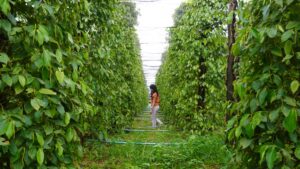
Kampot Pepper Farms – Internationally famous for its aromatic pepper, Kampot is home to several farms like La Plantation and Sothy’s Pepper Farm. Visitors can take guided tours to learn about traditional pepper cultivation and taste the different varieties.
Kampot River – The river is the town’s heartbeat. Visitors can enjoy kayaking, paddleboarding, ziplining at Lomhae Dong Prek, or relaxing on sunset cruises. Many riverside cafés and lodges provide perfect spots to unwind with stunning views.
Sunset River Cruise in Kampot
Salt Fields – Kampot’s salt production is a unique industry to observe. Visit during the dry season to see workers harvesting salt in the traditional way across shimmering salt pans.
Kampot Salt field
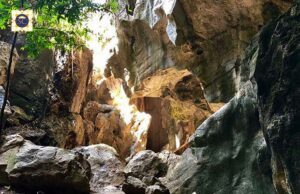
Caves and Countryside – Discover limestone caves like Phnom Chhngok, which houses a 7th-century brick temple inside, or Phnom Sorsia with its “White Elephant Cave.” Surrounding villages and rice paddies offer a serene glimpse into rural Cambodian life.
Phnom Chhngok
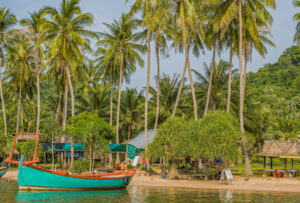
Kep and Rabbit Island – A short drive from Kampot, Kep is known for its crab market and quiet beaches. From Kep’s pier, catch a boat to Rabbit Island (Koh Tonsay) for a relaxed beach day or overnight stay in simple bungalows.
Koh Tonsay
Kampot Old Town & Night Market – Stroll the colonial-era streets filled with French-style architecture, quirky shops, art galleries, and riverside cafés. The night market, though small, comes alive with local food, crafts, and music in the evenings.
The Old French Bridge in Kampot
Food and Drink
Kampot’s culinary scene is diverse and delightful. From classic Khmer dishes like amok (coconut curry fish) and lok lak (marinated beef) to Western favorites, there’s no shortage of flavors. The iconic Kampot pepper crab is a local specialty not to be missed.
Recommended spots include:
Epic Arts Café – A social enterprise supporting people with disabilities, offering great food in a welcoming atmosphere.
Café Espresso – Popular among expats and travelers for its excellent coffee and hearty breakfasts.
The town also boasts a selection of riverside bars and live music venues, perfect for a laid-back evening. Happy hour deals and open-mic nights are common, especially on weekends.
Culture and Local Etiquette
Kampot locals are known for their warmth and friendliness. Tourism is growing but still modest compared to places like Siem Reap or Phnom Penh. Modest dress is encouraged, especially when visiting temples or rural villages. A few simple Khmer phrases like “Sua s’dei” (hello) and “Aw kun” (thank you) go a long way. Tipping is not mandatory but appreciated for good service.
Currency and Budget
Cambodian Riel (KHR) is the official currency, but US dollars are commonly used. Small denominations are helpful in markets and with tuk-tuks. Kampot is budget-friendly — travelers can get by on $30–50 per day, including meals, transport, and accommodation. Mid-range or luxury stays may cost $60–100+ daily.
Safety and Health
Kampot is generally safe, with low crime rates. Still, use common sense — don’t leave valuables unattended, especially at night. Wear helmets if riding motorbikes and use bottled or filtered water. Local pharmacies can handle minor issues, but for serious medical needs, Phnom Penh offers better facilities. Travel insurance is strongly recommended.
Final Tips
Connectivity: Wi-Fi is reliable in most hotels and cafés. For mobile data, local SIM cards from Smart or Metfone are inexpensive and widely available.
Electricity: Cambodia uses 230V and plugs of types A, C, and G. Bring a universal adapter if needed.
Eco-Friendly Travel: Respect the environment. Reduce single-use plastics, avoid disturbing wildlife, and support local businesses.
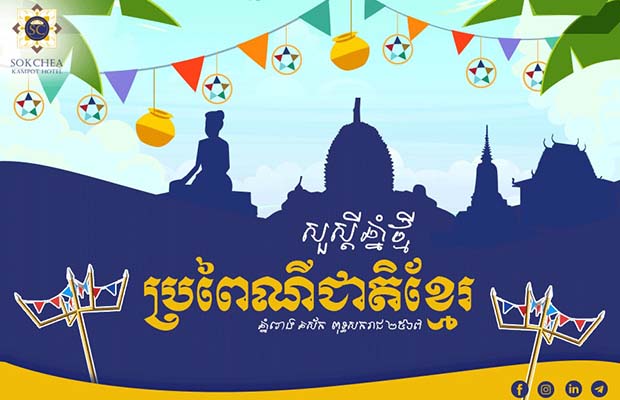
Khmer New Year, also known as “Choul Chnam Thmey,” meaning entering the new year, is a national holiday hosted by Cambodians annually. It is the season when Cambodians have free time from harvesting rice and other agricultural commodities. The event is Cambodia’s largest event and lasts three days, on the 13th, 14th, or 15th of April (in a specific year, it could be on the 14th to 16th of April).
Cambodian New Year is celebrated just like other Asian New Year Festivals that blend history with religious practices, emphasizing and commemorating the seniors and ancestors. While there are merriments with traditional meals and beverages, the three days are packed with Buddhist compliance centered on performing gratitude, sending offerings to deceased family members, and contributing to those in need. The following preparations are exclusively made for the Khmer New Year.
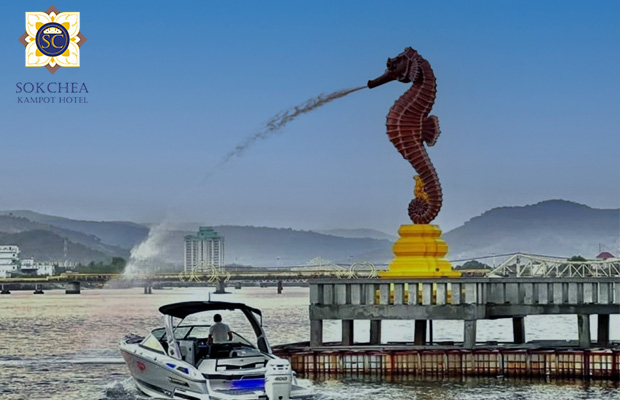
The installation of the new seahorse statue in Kampot province is indeed a wonderful addition to the beauty and charm of Kampot City. Not only does it enhance the aesthetic appeal of the area, but it also serves as a symbol of the region’s rich marine biodiversity and cultural heritage.
For tourists, the seahorse statue offers a unique photo opportunity and a memorable landmark to visit during their exploration of Kampot. Its presence highlights the importance of marine conservation and serves as a reminder of the need to protect and preserve the natural environment, including the fascinating sea creatures that inhabit it.
Moreover, the seahorse statue can play a role in raising awareness about the conservation of seahorses and other marine species among locals and visitors alike. By drawing attention to these captivating animals, it encourages people to learn more about them and to contribute to efforts aimed at their protection.
Overall, the new seahorse statue adds to the allure of Kampot City while promoting environmental stewardship and appreciation for the wonders of marine life. It serves as a beacon of conservation and a testament to the beauty and importance of our oceans and seas.
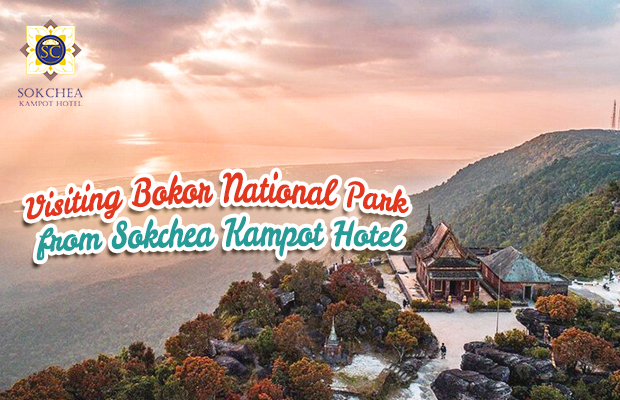
Visiting Bokor National Park from the Sokchea Kampot Hotel is one of the most rewarding day trips for travelers seeking a blend of nature, history, and sweeping mountain views. Located just a short drive from Kampot town, the park is easily accessible, making it convenient for guests staying at Sokchea Hotel. Most visitors begin their journey early in the morning to enjoy the cooler temperatures and the mist that often blankets the mountain’s winding roads.
The ascent to the park is a highlight in itself. As you travel higher, the landscape shifts from lowland countryside to dense evergreen forest, offering a refreshing change from the warm city air. The well-paved road makes the trip comfortable, whether by motorbike, tuk-tuk, or private car arranged through the hotel. Upon reaching the top, travelers are greeted with panoramic views of Kampot’s coastline.
Inside Bokor National Park, visitors can explore several iconic attractions. The Old French Hill Station, with its abandoned church and eerie, fog-covered hotel, provides a fascinating glimpse into Cambodia’s colonial past. Nearby, the Lok Yeay Mao Monument and Wat Sampov Pram offer cultural stops surrounded by dramatic cliffside scenery. Nature lovers can continue deeper into the park to visit Popokvil Waterfall, especially vibrant during the rainy season.
After a full day of sightseeing, guests can return to Sokchea Kampot Hotel to enjoy its peaceful atmosphere, making the trip both convenient and enriching. Visiting Bokor National Park from Kampot is a must for anyone seeking adventure, history, and breathtaking landscapes.
The Khmer Empire was one of the most glorious periods in Cambodian history. Due to the vast territory under Khmer control, it earned the title of the “Great Khmer Empire.” This rich history has been recorded and preserved through stone inscriptions and Sastra Slëk Rëet (palm-leaf manuscripts).
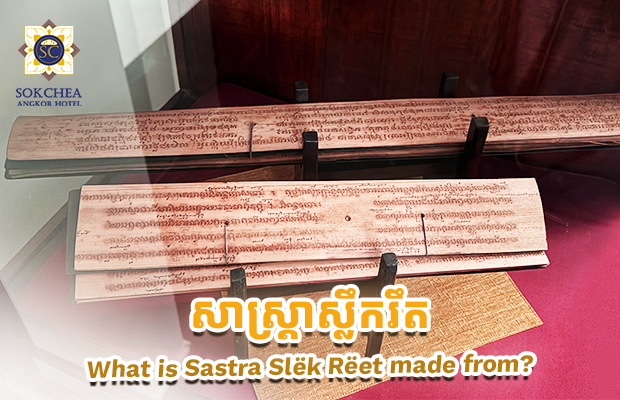
What is Sastra Slëk Rëet made from?
Sastra Slëk Rëet refers to ancient texts inscribed on palm leaves, specifically the leaves of the T’rang tree (Corypha palm). This tree originates from the eastern and northern parts of India and Sri Lanka. In Southeast Asia, the T’rang tree can be found in countries like Cambodia, Thailand, and Myanmar. In Cambodia, the tree is mostly found in Kratie and Kampong Thom provinces.
According to Samdech Preah Sangharaja Chuon Nath, the word Sastra in Pali and Sanskrit means “doctrine,” referring to knowledge, sciences, religion, law, and philosophies about life. Some scholars have stated that Sastra Slëk Rëet dates back to the Angkor period.
These palm-leaf manuscripts were widely shared among Khmer people in the past and used over many generations. However, as time went on, both the tradition of stone inscriptions and the use of palm-leaf manuscripts have gradually faded. Today, Sastra Slëk Rëet is mostly preserved and used only within Buddhist pagodas. As a result, it is slowly being lost due to the rise of modern technology such as printed books and digital formats.
In conclusion, Sastra Slëk Rëet is a valuable cultural heritage of the Khmer people. These texts, written on palm leaves, include religious scriptures and historical records that reflect the wisdom and identity of the Khmer civilization.