Room Options at Sokchea Kampot Hotel: Which Suits You Best?

When planning a stay in Kampot, finding the right room is key to a comfortable and memorable trip. Sokchea Kampot Hotel offers a variety of room options to suit different types of travelers, whether you’re a solo explorer, a couple seeking a romantic getaway, or a family on vacation.

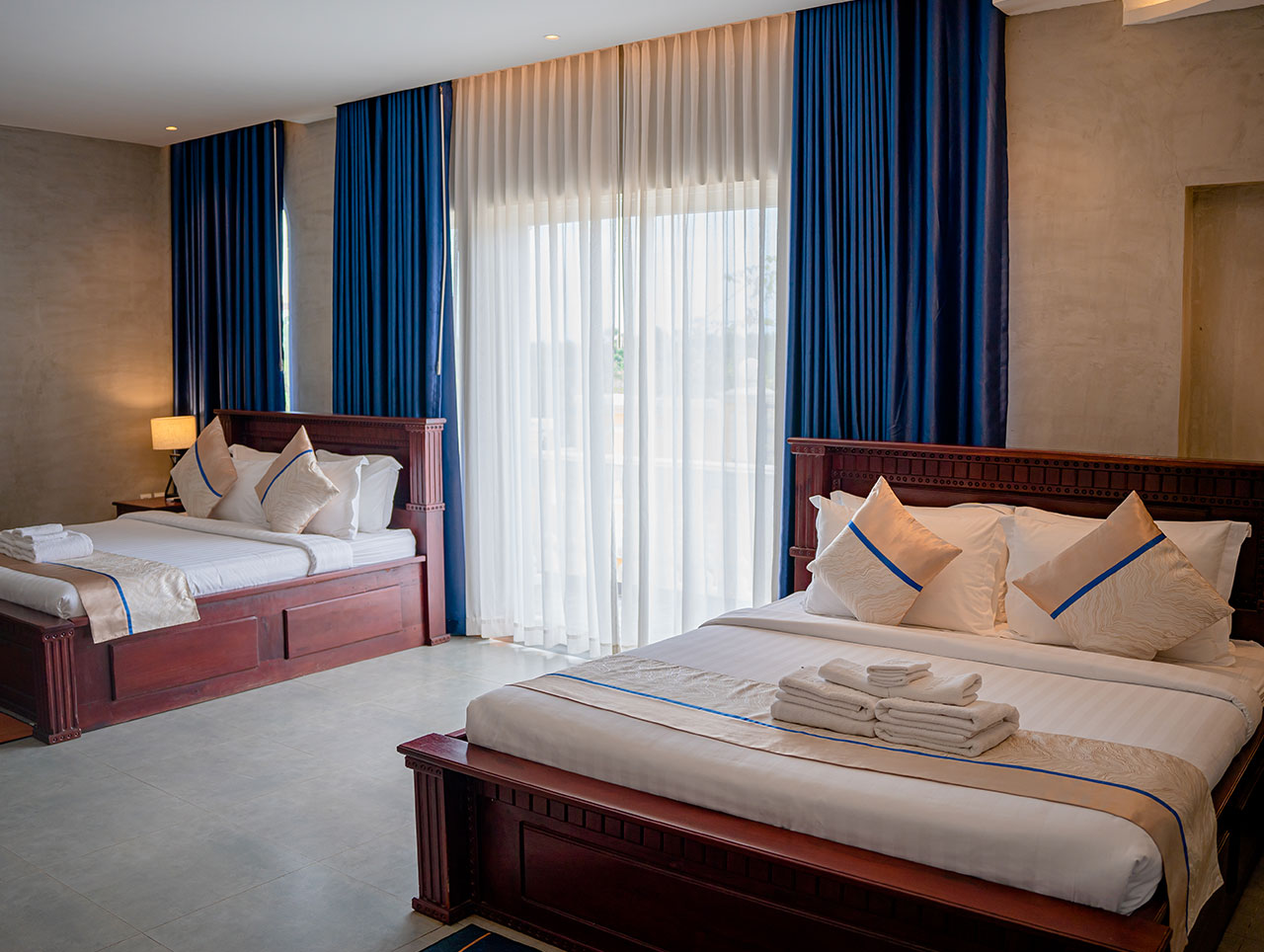
For solo travelers or couples, the Deluxe King or Deluxe Twin rooms are perfect choices. These rooms are spacious, well-furnished, and come with a private balcony or terrace. Each includes modern amenities like air conditioning, a flat-screen TV, and a clean, stylish bathroom — everything you need for a relaxing stay.
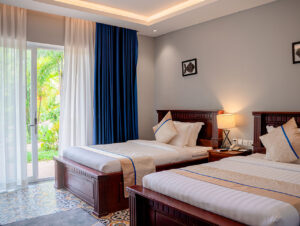
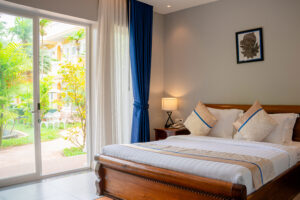
If you’re looking for a bit more luxury, the Deluxe Premium King or Deluxe Premium Twin offers enhanced comfort. These rooms often include a bathtub, better views, and a more refined interior design — ideal for guests who appreciate a touch of elegance during their trip.

For families or groups, Sokchea Kampot Hotel provides two larger options: the Deluxe Family Suite and the Family Suite with Balcony. With two or three king-size beds and over 70 square meters of space, these suites are designed to accommodate multiple guests without compromising on comfort. They also include balconies or terraces with scenic views of the surrounding area.

Whether you’re looking for value, luxury, or space, Sokchea Kampot Hotel has a room that matches your needs. With thoughtful amenities and traditional Khmer charm, it’s a great choice for your next Kampot stay.
Related Blog

អាណាចក្រខ្មែរ គឺ ជា សម័យ មួយ ដែល មាន ភាពរុងរឿង បំផុតក្នុងប្រវត្តិសាស្ត្ រជាតិខ្មែរ។ ដោយសារ ហេតុដែលខ្មែរមានដែនដីធំធេង និងវិសាលភាព យ៉ាងច្រើន អាណាចក្រខ្មែរ ត្រូវបានហៅថា “មហាអាណាចក្រខ្មែរ”។ ប្រវត្តិសាស្ត្រ របស់អាណាចក្រ នេះត្រូវបានចងក្រង និងរក្សាទុកតាមរយៈសិលាចារឹក និងសាស្ត្រាស្លឹករឹត។

សាស្ត្រាស្លឹករឹត គឺជាគម្ពីរ ឬ អត្ថបទបុរាណដែលត្រូវបានចារនៅលើស្លឹករឹត។ ស្លឹករឹតគឺជាស្លឹករបស់ដើមទ្រាំង ដែលមានប្រភពមកពីភាគខាងកើត និងខាងជើងនៃប្រទេសឥណ្ឌា និងស្រីលង្កា។ នៅក្នុងតំបន់អាស៊ីអាគ្នេយ៍ ដើមទ្រាំងនេះអាចរកឃើញនៅប្រទេសកម្ពុជា ថៃ និងភូមា។ នៅប្រទេសកម្ពុជា ដើមទ្រាំងមានច្រើននៅខេត្តក្រចេះ និងកំពង់ធំ។

សម្ដេចព្រះសង្ឃរាជ ជួនណាត បានពន្យល់ថា ពាក្យ “សាស្ត្រា” ក្នុងភាសាបាលី និងសំស្ក្រឹត មានន័យថា ក្បួនច្បាប់ ឬ សេចក្តីដឹង ដែលពាក់ពន្ធ័ទៅនឹងចំណេះដឹង វិទ្យាសាស្ត្រ សាសនា ច្បាប់ និងទ្រឹស្តីអំពីជីវិត។ អ្នកស្រាវជ្រាវខ្លះទៀតក៏បានរៀបរាប់ថា សាស្ត្រាស្លឹករឹតមានកំណើតចាប់ពីសម័យអង្គរ។

សាស្ត្រាស្លឹករឹត ត្រូវបានផ្សព្វផ្សាយដល់ប្រជាជនខ្មែរយ៉ាងទូលំទូលាយ នៅសម័យកាលមុនៗ ហើយត្រូវបានប្រើប្រាស់ជាប្រចាំ។ ប៉ុន្តែពេលកន្លងមក វប្បធម៌សិលាចារឹក និងសាស្ត្រាស្លឹករឹតក៏បានរលាយបាត់បង់បន្តិចម្តងៗ ដោយសារអវត្តមាននៃការរក្សាទុក និងការចែកចាយខ្វះខាត។

សព្វថ្ងៃ សាស្ត្រាស្លឹករឹតភាគច្រើន ត្រូវបានរក្សា និងប្រើប្រាស់នៅតែក្នុងវត្តអារាមប៉ុណ្ណោះ ដូច្នេះ វាក៏មានហានិភ័យបាត់បង់បន្តិចម្តងៗ ផងដែរ។ បណ្តាលមកពីការរីកចម្រើននៃបច្ចេកវិទ្យាទំនើប ដែលរំពឹងឱ្យប្រើសៀវភៅ ឬវិធីសាស្ត្រឌីជីថលជំនួស។

សរុបមក សាស្ត្រាស្លឹករឹតគឺជាទ្រព្យសម្បត្តិបុរាណដ៏មានតម្លៃ ដែលបង្ហាញពីភាពចម្បងនៃវប្បធម៌ និងស្មារតីដ៏ខ្ពង់ខ្ពស់របស់ជាតិខ្មែរ។ វាអាចជាគម្ពីរសាសនា ឬឯកសារដែលរៀបរាប់អំពីពង្សាវតារនៃប្រទេសខ្មែរយើងផងដែរ។

The Khmer Empire was one of the most glorious periods in Cambodian history. Due to the vast territory under Khmer control, it earned the title of the “Great Khmer Empire.” This rich history has been recorded and preserved through stone inscriptions and Sastra Slëk Rëet (palm-leaf manuscripts).

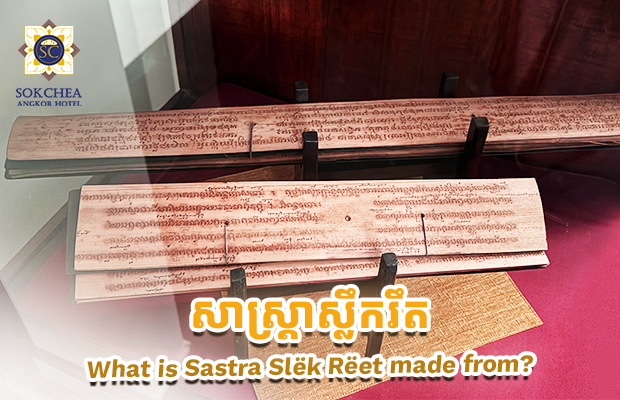
What is Sastra Slëk Rëet made from?
Sastra Slëk Rëet refers to ancient texts inscribed on palm leaves, specifically the leaves of the T’rang tree (Corypha palm). This tree originates from the eastern and northern parts of India and Sri Lanka. In Southeast Asia, the T’rang tree can be found in countries like Cambodia, Thailand, and Myanmar. In Cambodia, the tree is mostly found in Kratie and Kampong Thom provinces.

According to Samdech Preah Sangharaja Chuon Nath, the word Sastra in Pali and Sanskrit means “doctrine,” referring to knowledge, sciences, religion, law, and philosophies about life. Some scholars have stated that Sastra Slëk Rëet dates back to the Angkor period.

These palm-leaf manuscripts were widely shared among Khmer people in the past and used over many generations. However, as time went on, both the tradition of stone inscriptions and the use of palm-leaf manuscripts have gradually faded. Today, Sastra Slëk Rëet is mostly preserved and used only within Buddhist pagodas. As a result, it is slowly being lost due to the rise of modern technology such as printed books and digital formats.

In conclusion, Sastra Slëk Rëet is a valuable cultural heritage of the Khmer people. These texts, written on palm leaves, include religious scriptures and historical records that reflect the wisdom and identity of the Khmer civilization.

#at Sokchea Angkor Hotel Lobby

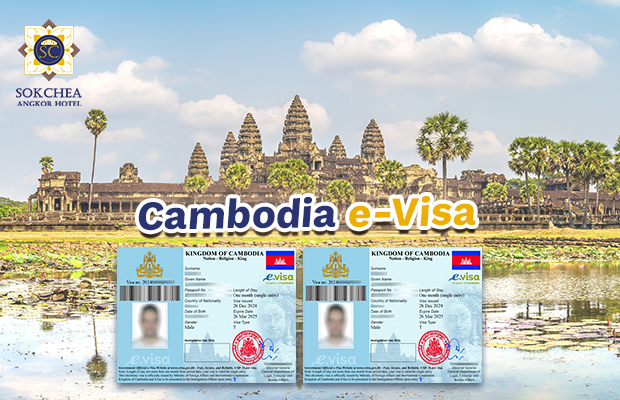
If you’re planning a trip to Cambodia, getting a visa no longer has to be a hassle. Thanks to the Cambodia e-Visa system, travelers can now apply for a tourist visa entirely online, saving both time and effort.


The Cambodia e-Visa is available to citizens of most countries and is intended strictly for tourism purposes. If you’re traveling for business, work, or any other reason, you’ll need to apply through a Cambodian embassy instead. The e-Visa is valid for three months from the date of issue and allows for a single entry into Cambodia, with a maximum stay of 30 days.


One of the great benefits of the e-Visa is that it can be used at several key points of entry. You can enter Cambodia through Phnom Penh, Siem Reap, or Sihanoukville International Airports. If you’re arriving by land, the e-Visa is accepted at Bavet (from Vietnam), Poipet (from Thailand), and Cham Yeam (also from Thailand).


The application process is quick and simple. It usually takes about three business days for approval. All you need is a valid passport with at least six months of validity remaining, a recent passport-style photo (digital format), a valid email address, and a credit or debit card for payment. The cost is typically around $36 USD, which includes a small processing fee.


To apply, just visit the official Cambodia e-Visa website at https://www.evisa.gov.kh. Fill out the online form, upload your photo, and pay the fee. Once approved, your e-Visa will be sent to your email. Be sure to print a copy and bring it with you when you travel.


The Cambodia e-Visa makes visiting this beautiful and culturally rich country easier than ever. Whether you’re planning to explore Angkor Wat, relax on the beaches of Sihanoukville, or discover the vibrant capital of Phnom Penh, getting your visa is now one less thing to worry about.

Kampot has a long and fascinating history, dating back to the Angkorian period when it was an important trading hub. Over time, it played a significant role in Cambodia’s maritime trade due to its strategic location near the coast.

During the French colonial era (1863–1953), Kampot became a key commercial center. The French built roads, bridges, and colonial-style buildings, many of which still stand today. The town was also famous for its high-quality Kampot pepper, which gained international recognition.

In the 1970s, during the Khmer Rouge era, Kampot, like much of Cambodia, suffered greatly. Many historical buildings were abandoned, and the region’s economy declined. However, in recent decades, Kampot has revived, becoming a top destination for travelers looking to experience its unique blend of history, nature, and culture.

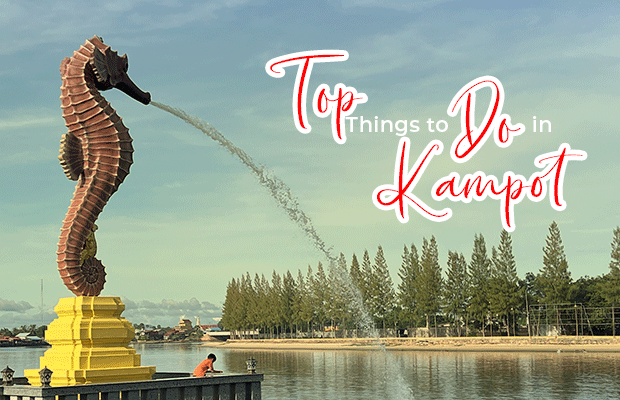
Top Things to Do in Kampot
1. Explore Bokor National Park
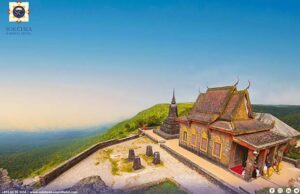
Bokor Hill Station, built by the French in the 1920s as a hill retreat, features abandoned colonial buildings, including the old Catholic church and the Bokor Palace Hotel. The park offers stunning views, waterfalls, and rich wildlife.

2. Walk Through the Old Colonial Town
Take a leisurely stroll through the old town, where you can see well-preserved French colonial buildings, such as the Kampot Provincial Hall and the Old Market.

kampot provincial museum
Kampot Provincial Museum

3. Visit a Kampot Pepper Farm
Kampot pepper, once prized by French chefs, remains a symbol of the town’s agricultural heritage. Farms like La Plantation and BoTree offer guided tours where you can see the traditional growing and harvesting process.

Kampot Pepper
Kampot Pepper

4. Take a Sunset Cruise on the Kampot River
Enjoy a relaxing boat ride along the river, where you can admire mangroves, mountains, and fireflies at night.

Sunset River Cruise in Kampot

5. Discover the Salt Fields
Kampot’s salt fields are a reminder of Cambodia’s traditional salt production methods. The best time to visit is during the dry season when workers harvest salt by hand.

Kampot Salt field
Kampot Salt field

6. Take a Day Trip to Kep
A short drive from Kampot, Kep was a popular French seaside resort in the early 20th century. Today, it’s famous for the Kep Crab Market, where you can enjoy fresh seafood.

7. Visit Phnom Chhngok Cave Temple
A fascinating cave with a 7th-century brick temple inside, Phnom Chhngok offers history and adventure in one stop.

8. Try Outdoor Activities
Kayaking or paddleboarding on the river.
Cycling through the countryside to see traditional Cambodian villages.
Tubing along the river for a relaxing afternoon.

Where to Stay in Kampot
For Comfort and Relaxation: Sokchea Kampot Hotel
A peaceful hotel with modern amenities, ideal for honeymooners, families, or those looking for a quiet retreat.
Offers a range of accommodation from Single Rooms to Family Rooms.

Zip Line Cafe at Lomhae Dong Prek in Kampot, Cambodia (also referred to as Lomhae Dorn Prek Restaurant) seamlessly blends thrilling adventure with riverside charm to create an unforgettable escape by the water. Situated right by the Kampot River and adjacent to River Park’s action‑packed waterpark, this café offers both serenity and excitement.

Perched on the riverbank, the café provides a laid‑back atmosphere perfect for sipping on Khmer or Western fare after—or before—experiencing adventure across the water. Guests can glide over the river via a zip-line ride—returning safely to the café—kayak along the gentle flow, or even rent jet skis for a more adrenaline-fueled spin ($10 for the zip-line, $5 for all-day kayaking, or $120/hour for jet skiing). The café’s dual culinary offerings make it ideal for every palate, featuring traditional Khmer dishes and familiar Western options to suit both locals and international visitors.

Its location, just across the river from River Park with its giant slide, paddle boats, and water games, means that thrill-seekers and families alike can easily hop between relaxing café moments and energetic fun. While things may feel adventurous on the river, the café ensures comfort and hospitality—making it a balanced getaway destination.

The zip-line experience here is both accessible and exciting: a brief zip over the water delivers just the right rush without overwhelming those new to the sport. Kayaking offers a mellow alternative, allowing guests to explore the calm expanse of the Kampot River at their own pace. The café’s riverside perch also means you can enjoy beautiful views while lounging with a drink or a bite—an excellent vantage point for both peace and people-watching.

Whether you’re looking for a playful afternoon on the water, a scenic riverside meal, or combining both, the new Zip Line Cafe at Lomhae Dong Prek stands out as a charming and well-rounded addition to Kampot’s growing hospitality landscape.

Nestled in the scenic countryside of Kampot Province, Phnom Chhngok Cave Temple offers an enchanting blend of natural wonder and ancient spirituality. This mystical limestone cave, set within a peaceful rural landscape about 12 kilometers northeast of Kampot town, is not only a geological marvel but also home to a pre-Angkorian brick temple dating back to the 7th century. As you approach the site, you’ll pass through quiet villages and rice fields before reaching the stairs that lead up the hill to the cave entrance. Inside, the cave opens into a large, shadowy chamber with dramatic stalactites and stalagmites that have formed over millions of years, some of which resemble animals and mythical creatures. The air is cool and still, and shafts of sunlight occasionally pierce through the rock, creating an otherworldly atmosphere. At the heart of the cave stands the small but remarkable brick temple dedicated to Shiva, remarkably well-preserved and considered one of the oldest Hindu sanctuaries in Cambodia. Local guides, often young villagers, are available to share legends and assist with navigating deeper sections of the cave. Some routes even lead out through narrow limestone tunnels for the adventurous. Phnom Chhngok is more than a destination—it’s an experience that combines history, mystery, and the raw beauty of nature. Whether you’re a history enthusiast, a spiritual seeker, or simply someone in search of a unique day trip in Kampot, this hidden gem offers a peaceful and unforgettable escape from the ordinary. Don’t forget to wear good walking shoes and bring a flashlight for exploring the deeper corners of the cave. A visit to Phnom Chhngok is a journey back in time—one that echoes with the stories of Cambodia’s ancient past.

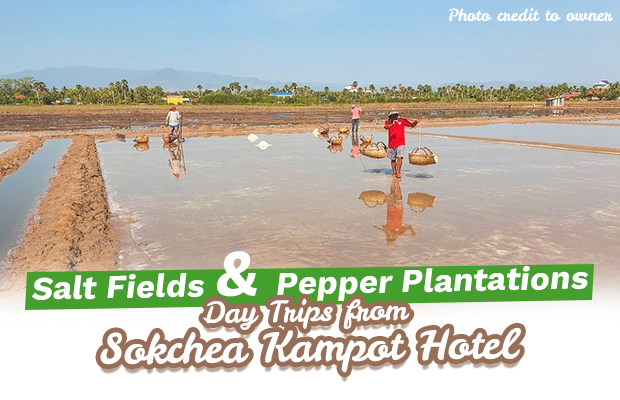
A stay at Sokchea Kampot Hotel offers more than just comfort and convenience—it opens the door to some of Cambodia’s most fascinating cultural and agricultural experiences. Among the most memorable day trips from the hotel are visits to the region’s iconic salt fields and pepper plantations, where guests can witness traditional livelihoods that have shaped Kampot’s identity for generations.

Just a short drive from the hotel, the Kampot salt fields stretch across a shimmering landscape near the coast. During the dry season, visitors can observe the meticulous process of salt production, from channeling seawater into evaporation ponds to collecting the gleaming crystals by hand. The scene is both picturesque and educational, revealing the hard work and natural harmony behind this essential trade.

Equally captivating are the pepper plantations nestled in the lush countryside. Kampot pepper, renowned worldwide for its exceptional aroma and quality, has earned a protected geographical indication (PGI) status. A guided tour offers guests the chance to stroll through verdant vines, learn about organic farming methods, and sample freshly harvested pepper varieties—from mild to fiery.

Sokchea Kampot Hotel can easily arrange private tours or group excursions to these sites, ensuring comfort and authentic insight along the way. Whether for photographers, food lovers, or cultural explorers, these day trips provide a deeper appreciation of Kampot’s rural charm and rich heritage.

Exploring the salt fields and pepper plantations truly completes the Kampot experience.