The Kampot International Tourism Port

The Kampot International Tourism Port is expected to play a key role in boosting Kampot’s tourism sector by improving accessibility, attracting more visitors, and enhancing regional connectivity.

Kampot has long been known for its tranquil riverside setting, stunning natural landscapes, and historical attractions, including Bokor Mountain, salt fields, pepper farms, and the colonial-era architecture found in the town. The Kampot International Tourism Port will help promote these attractions to a wider audience by making them more accessible to tourists from Vietnam, Thailand, and beyond.

In addition to attracting new visitors, the port will also encourage longer stays. With easier access to Kampot’s attractions, tourists will be more likely to extend their trips, exploring not only the town itself but also nearby destinations like Kep, Rabbit Island, and the Preah Monivong Bokor National Park. This will result in increased spending on accommodations, food, and activities, contributing to the overall economic growth of the province.

If you’re planning a trip to Cambodia’s beautiful southern coast, the Kampot International Tourism Port is a new and exciting addition that makes traveling to Kampot easier than ever. This modern port connects Kampot with Vietnam (Phu Quoc) and Thailand (Trat), offering a convenient and scenic way to arrive at one of Cambodia’s most charming destinations.

Why Visit Kampot?

Kampot is famous for its relaxed riverside atmosphere, stunning natural landscapes, and rich history. Whether you’re looking to explore Bokor Mountain, visit the famous Kampot pepper farms, cruise along the river at sunset, or enjoy fresh seafood in nearby Kep, Kampot has something for every traveler. With its colonial-era architecture, local markets, and peaceful vibe, it’s the perfect place for a getaway.

How the Port Enhances Your Travel Experience

  • Seamless Connectivity: Now, you can travel by ferry between Vietnam, Thailand, and Kampot without long road trips.
  • Faster & More Convenient: No need to go through Phnom Penh or Sihanoukville – arrive directly by sea!
  • Perfect for Island Hopping: Easy access to Phu Quoc Island (Vietnam) and the Thai coast, making it part of a larger Southeast Asia adventure.
  • More Travel Choices: The port will serve cruise ships, speedboats, and ferries, giving travelers flexible options.

What to Expect Upon Arrival

The Kampot International Tourism Port is designed for comfort and efficiency, ensuring a smooth arrival experience. From the port, you’ll find:

  • Quick transfers to Kampot town (just 15 minutes away)
  • Tuk-tuks and taxis readily available
  • Nearby accommodations ranging from budget stays to luxury resorts
  • Easy access to tours for exploring Kampot’s best attractions

Plan Your Kampot Adventure

Whether you’re looking for relaxation, adventure, or cultural experiences, the Kampot International Tourism Port makes it easier than ever to explore this hidden gem of Cambodia.

Where to Stay in Kampot? – Sokchea Kampot Hotel

If you’re looking for a peaceful and comfortable stay in Kampot, Sokchea Kampot Hotel is the perfect choice. Whether you’re visiting for a honeymoon, a relaxing getaway, or a family vacation, this charming hotel offers a blend of modern comfort and local charm.

Why Stay at Sokchea Kampot Hotel?

Prime Location – Conveniently located near Kampot town, making it easy to explore attractions like the Kampot River, Bokor Mountain, and Salt Fields.
Comfortable Accommodations – Choose from Single, Deluxe, or Family Rooms, all designed with relaxation in mind.
Tranquil Atmosphere – A peaceful retreat with a welcoming ambiance, perfect for unwinding after a day of adventure.
Friendly Service – Experience Cambodian hospitality with attentive staff ready to make your stay memorable.

Perfect for All Travelers

🏡 Couples & Honeymooners – Enjoy a romantic escape with cozy accommodations.
👨‍👩‍👧 Families – Spacious rooms ensure a comfortable stay for families.
🌍 Solo Travelers & Explorers – A great base to discover Kampot’s culture and nature.

📍 Book your stay at Sokchea Kampot Hotel and experience the best of Kampot in comfort and style! Start your journey here and experience the beauty of Kampot like never before!
Related Blog

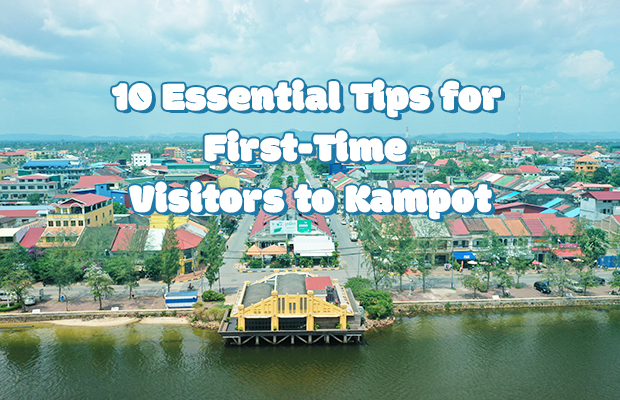
Kampot is a peaceful riverside town in southern Cambodia, known for its relaxed lifestyle, colonial architecture, and natural surroundings. For first-time visitors, a few essential tips can help ensure a smooth and enjoyable trip.

First, plan your visit during the dry season from November to March, when the weather is cooler and ideal for sightseeing. Second, choose accommodation near the riverside or town center to easily access cafés, markets, and transportation. Third, rent a bicycle or motorbike to explore Kampot at a comfortable pace, as the town is small and easy to navigate.

Fourth, make time to visit Bokor National Park, one of Kampot’s top attractions, featuring mountain views, waterfalls, historical buildings, and the well-known Wat Sampov Pram pagoda. Fifth, enjoy a sunset river cruise to experience Kampot’s calm atmosphere and local life along the river. Sixth, try Kampot’s famous pepper by visiting a pepper farm or tasting local dishes that highlight this world-renowned product.

Seventh, dress modestly when visiting pagodas or rural areas as a sign of respect for local culture. Eighth, carry small amounts of cash since many local businesses and tuk-tuks do not accept cards. Ninth, stay hydrated and protect yourself from the sun, especially during hotter months.

Finally, slow down and embrace Kampot’s relaxed rhythm. The town is best enjoyed without rushing. By following these tips, first-time visitors can experience Kampot’s charm, culture, and natural beauty with confidence and ease.

Nestled in the scenic countryside of Kampot Province, Phnom Chhngok Cave Temple offers an enchanting blend of natural wonder and ancient spirituality. This mystical limestone cave, set within a peaceful rural landscape about 12 kilometers northeast of Kampot town, is not only a geological marvel but also home to a pre-Angkorian brick temple dating back to the 7th century. As you approach the site, you’ll pass through quiet villages and rice fields before reaching the stairs that lead up the hill to the cave entrance. Inside, the cave opens into a large, shadowy chamber with dramatic stalactites and stalagmites that have formed over millions of years, some of which resemble animals and mythical creatures. The air is cool and still, and shafts of sunlight occasionally pierce through the rock, creating an otherworldly atmosphere. At the heart of the cave stands the small but remarkable brick temple dedicated to Shiva, remarkably well-preserved and considered one of the oldest Hindu sanctuaries in Cambodia. Local guides, often young villagers, are available to share legends and assist with navigating deeper sections of the cave. Some routes even lead out through narrow limestone tunnels for the adventurous. Phnom Chhngok is more than a destination—it’s an experience that combines history, mystery, and the raw beauty of nature. Whether you’re a history enthusiast, a spiritual seeker, or simply someone in search of a unique day trip in Kampot, this hidden gem offers a peaceful and unforgettable escape from the ordinary. Don’t forget to wear good walking shoes and bring a flashlight for exploring the deeper corners of the cave. A visit to Phnom Chhngok is a journey back in time—one that echoes with the stories of Cambodia’s ancient past.

អាណាចក្រខ្មែរ គឺ ជា សម័យ មួយ ដែល មាន ភាពរុងរឿង បំផុតក្នុងប្រវត្តិសាស្ត្ រជាតិខ្មែរ។ ដោយសារ ហេតុដែលខ្មែរមានដែនដីធំធេង និងវិសាលភាព យ៉ាងច្រើន អាណាចក្រខ្មែរ ត្រូវបានហៅថា “មហាអាណាចក្រខ្មែរ”។ ប្រវត្តិសាស្ត្រ របស់អាណាចក្រ នេះត្រូវបានចងក្រង និងរក្សាទុកតាមរយៈសិលាចារឹក និងសាស្ត្រាស្លឹករឹត។

សាស្ត្រាស្លឹករឹត គឺជាគម្ពីរ ឬ អត្ថបទបុរាណដែលត្រូវបានចារនៅលើស្លឹករឹត។ ស្លឹករឹតគឺជាស្លឹករបស់ដើមទ្រាំង ដែលមានប្រភពមកពីភាគខាងកើត និងខាងជើងនៃប្រទេសឥណ្ឌា និងស្រីលង្កា។ នៅក្នុងតំបន់អាស៊ីអាគ្នេយ៍ ដើមទ្រាំងនេះអាចរកឃើញនៅប្រទេសកម្ពុជា ថៃ និងភូមា។ នៅប្រទេសកម្ពុជា ដើមទ្រាំងមានច្រើននៅខេត្តក្រចេះ និងកំពង់ធំ។

សម្ដេចព្រះសង្ឃរាជ ជួនណាត បានពន្យល់ថា ពាក្យ “សាស្ត្រា” ក្នុងភាសាបាលី និងសំស្ក្រឹត មានន័យថា ក្បួនច្បាប់ ឬ សេចក្តីដឹង ដែលពាក់ពន្ធ័ទៅនឹងចំណេះដឹង វិទ្យាសាស្ត្រ សាសនា ច្បាប់ និងទ្រឹស្តីអំពីជីវិត។ អ្នកស្រាវជ្រាវខ្លះទៀតក៏បានរៀបរាប់ថា សាស្ត្រាស្លឹករឹតមានកំណើតចាប់ពីសម័យអង្គរ។

សាស្ត្រាស្លឹករឹត ត្រូវបានផ្សព្វផ្សាយដល់ប្រជាជនខ្មែរយ៉ាងទូលំទូលាយ នៅសម័យកាលមុនៗ ហើយត្រូវបានប្រើប្រាស់ជាប្រចាំ។ ប៉ុន្តែពេលកន្លងមក វប្បធម៌សិលាចារឹក និងសាស្ត្រាស្លឹករឹតក៏បានរលាយបាត់បង់បន្តិចម្តងៗ ដោយសារអវត្តមាននៃការរក្សាទុក និងការចែកចាយខ្វះខាត។

សព្វថ្ងៃ សាស្ត្រាស្លឹករឹតភាគច្រើន ត្រូវបានរក្សា និងប្រើប្រាស់នៅតែក្នុងវត្តអារាមប៉ុណ្ណោះ ដូច្នេះ វាក៏មានហានិភ័យបាត់បង់បន្តិចម្តងៗ ផងដែរ។ បណ្តាលមកពីការរីកចម្រើននៃបច្ចេកវិទ្យាទំនើប ដែលរំពឹងឱ្យប្រើសៀវភៅ ឬវិធីសាស្ត្រឌីជីថលជំនួស។

សរុបមក សាស្ត្រាស្លឹករឹតគឺជាទ្រព្យសម្បត្តិបុរាណដ៏មានតម្លៃ ដែលបង្ហាញពីភាពចម្បងនៃវប្បធម៌ និងស្មារតីដ៏ខ្ពង់ខ្ពស់របស់ជាតិខ្មែរ។ វាអាចជាគម្ពីរសាសនា ឬឯកសារដែលរៀបរាប់អំពីពង្សាវតារនៃប្រទេសខ្មែរយើងផងដែរ។

The Khmer Empire was one of the most glorious periods in Cambodian history. Due to the vast territory under Khmer control, it earned the title of the “Great Khmer Empire.” This rich history has been recorded and preserved through stone inscriptions and Sastra Slëk Rëet (palm-leaf manuscripts).

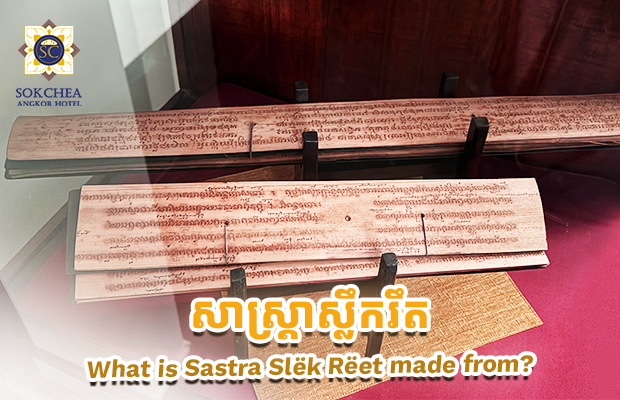
What is Sastra Slëk Rëet made from?
Sastra Slëk Rëet refers to ancient texts inscribed on palm leaves, specifically the leaves of the T’rang tree (Corypha palm). This tree originates from the eastern and northern parts of India and Sri Lanka. In Southeast Asia, the T’rang tree can be found in countries like Cambodia, Thailand, and Myanmar. In Cambodia, the tree is mostly found in Kratie and Kampong Thom provinces.

According to Samdech Preah Sangharaja Chuon Nath, the word Sastra in Pali and Sanskrit means “doctrine,” referring to knowledge, sciences, religion, law, and philosophies about life. Some scholars have stated that Sastra Slëk Rëet dates back to the Angkor period.

These palm-leaf manuscripts were widely shared among Khmer people in the past and used over many generations. However, as time went on, both the tradition of stone inscriptions and the use of palm-leaf manuscripts have gradually faded. Today, Sastra Slëk Rëet is mostly preserved and used only within Buddhist pagodas. As a result, it is slowly being lost due to the rise of modern technology such as printed books and digital formats.

In conclusion, Sastra Slëk Rëet is a valuable cultural heritage of the Khmer people. These texts, written on palm leaves, include religious scriptures and historical records that reflect the wisdom and identity of the Khmer civilization.

#at Sokchea Angkor Hotel Lobby

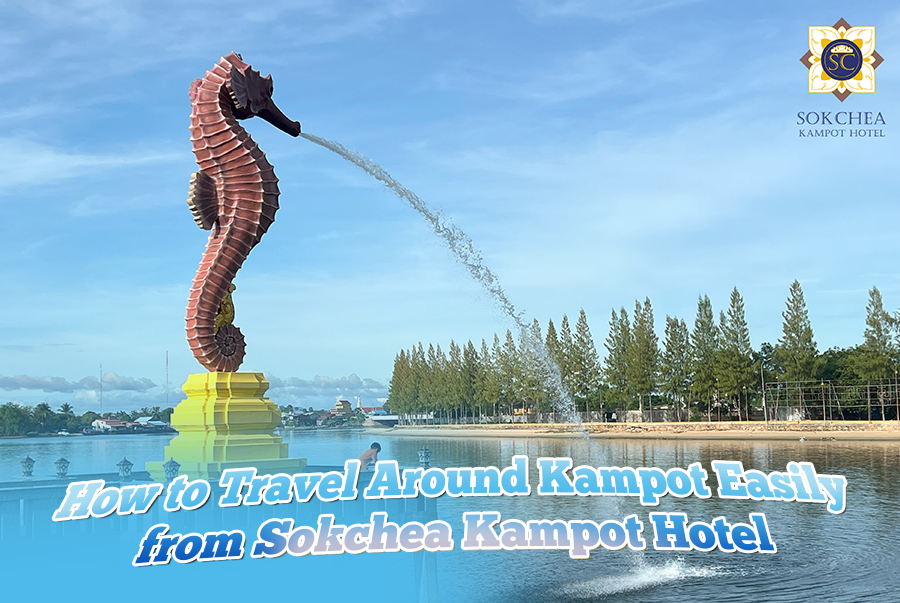
Traveling around Kampot is simple and enjoyable, especially when starting from Sokchea Kampot Hotel, located near the heart of the charming riverside town. Kampot’s compact size makes many attractions easy to reach on foot. If you enjoy scenic strolls, walk to nearby landmarks like the Night Market, Big Durian, or Seahorse Statue in just a few minutes. Walking around town also lets you soak up the relaxed atmosphere and spot hidden cafés, shops, and local life.

For longer distances or exploring beyond the town center, bicycles are a popular choice. You can rent one for just a few dollars a day, and ride along flat streets or out toward salt fields, pepper farms, and the Kampot countryside.

If you prefer quicker or more flexible transport, tuk-tuks and moto-taxis are widely available. These three-wheeled vehicles can be hired for short trips in town or for full-day excursions like Bokor Mountain or Kampot pepper plantations. Negotiating the price before your trip helps ensure a fair fare, and ride-hailing apps such as PassApp can provide fixed pricing and convenience.

For complete freedom, renting a motorbike gives you the ability to explore further attractions at your own pace. Always wear a helmet and follow local traffic rules for safety.

No matter how you choose to travel, starting from Sokchea Kampot Hotel lets you access all of Kampot’s best experiences—whether through walking, biking, tuk-tuk, or scooter—making your visit smooth and memorable.

The Kampot Salt Fields are located in Kampot Province, Cambodia, near the coastal town of Kampot and the neighboring province of Kep. These salt fields are renowned for their traditional salt production methods, which have been passed down through generations.

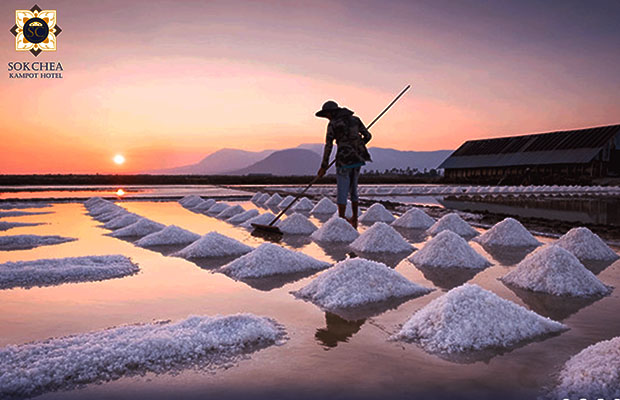
The salt fields are typically made up of vast expanses of shallow, rectangular basins filled with seawater. The process of salt production begins during the dry season when the seawater is directed into the basins through a series of canals and channels. As the water evaporates under the hot sun, it leaves behind a layer of salt crystals on the basin’s surface.

Workers then carefully rake the salt crystals from the basins and pile them up to dry further in the sun. Once dried, the salt is collected, sorted, and packed for distribution to local markets or for export.

Visitors to the Kampot Salt Fields can observe this traditional salt-making process and learn about the significance of salt production in the region’s economy and culture. The salt fields also offer picturesque views, especially during sunrise and sunset, making them a popular destination for tourists exploring the Kampot Province. Additionally, many tours in the area include visits to the salt fields as part of their itinerary, providing visitors with insight into Cambodia’s rural life and traditional industries.

River Festival 2025: Celebrating Cambodia’s Natural and Cultural Heritage
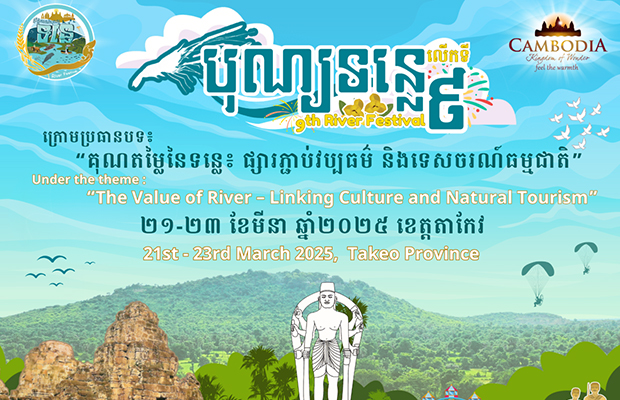
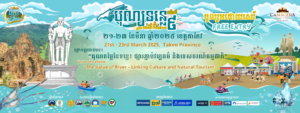
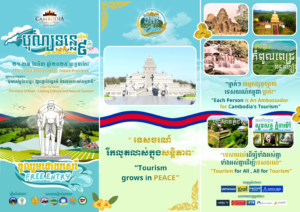
Cambodia is a country rich in cultural traditions and natural beauty, and one of the most anticipated annual events that showcases this heritage is the River Festival. This festival, which first began in 2015, is held in a different province each year, highlighting the significance of Cambodia’s rivers in the country’s history, tourism, and daily life. In 2025, the 9th River Festival will take place from March 21 to 23 in Takeo province, under the theme “The Value of River: Bridging Culture with Nature Tourism.” This event will serve as a platform to promote tourism, celebrate local culture, and bring economic benefits to the community while emphasizing the importance of protecting Cambodia’s natural waterways

A Celebration of Culture and Tourism
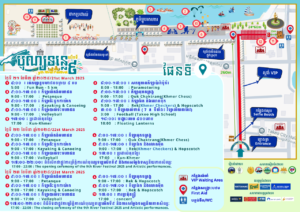
The River Festival is designed to be a vibrant and inclusive event that attracts visitors from across Cambodia and beyond. It features a variety of cultural performances, exhibitions, and interactive experiences that showcase the rich traditions of the host province. Takeo province, known for its ancient temples, serene landscapes, and historical significance, is an ideal location for this event. The festival’s main venue, Takeo Lakeside Park in Daun Keo City, will provide a stunning backdrop for the festivities, allowing visitors to appreciate both the cultural heritage and natural beauty of the region.

The 2025 festival’s theme emphasizes the deep connection between Cambodia’s rivers and its cultural identity. The event will highlight how rivers have played a vital role in Khmer civilization for centuries, serving as essential transportation routes, sources of livelihood, and centers of spiritual significance. By blending cultural performances with eco-tourism activities, the festival aims to encourage sustainable tourism practices and promote the conservation of Cambodia’s natural resources.

Exciting Activities and Attractions
One of the most exciting aspects of the River Festival is the diverse range of activities it offers. Visitors can enjoy traditional music and dance performances, showcasing Cambodia’s artistic heritage. Local artisans will display their crafts, allowing guests to witness and purchase handmade products that reflect the craftsmanship of Takeo’s skilled artisans. Food lovers will have the opportunity to sample traditional Khmer cuisine, with food stalls offering a variety of local dishes.

Beyond cultural experiences, the festival will also feature sports competitions, including canoeing, kayaking, and boat races, which celebrate the strong connection between Cambodian people and their waterways. A 75-kilometer Phnom Penh-Takeo cycling race is expected to draw professional and amateur cyclists alike. Other sports activities, such as fun runs, volleyball, and traditional Khmer martial arts demonstrations, will provide entertainment and participation opportunities for visitors of all ages.

One of the highlights of the event will be the sky lantern displays, where hundreds of lanterns will be released into the night sky, creating a breathtaking visual experience. This tradition is believed to bring good luck and is a favorite attraction for both locals and tourists.

Economic and Social Impact
The River Festival is not only a celebration but also an important economic and social event. By attracting thousands of visitors, it provides a significant boost to local businesses, including hotels, restaurants, and transportation services. The festival also creates opportunities for local entrepreneurs and artisans to showcase their products and generate income.

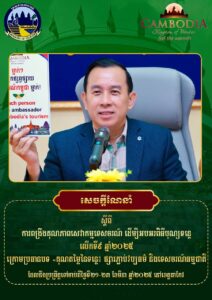
In preparation for the festival, the Ministry of Tourism has issued guidelines to ensure high-quality services for visitors.

Local vendors are encouraged to decorate their stalls in ways that reflect Khmer culture and the unique identity of Takeo province. Authorities are working closely with businesses to maintain fair pricing, ensure cleanliness, and provide sufficient parking spaces to accommodate large crowds. These efforts aim to enhance the visitor experience and establish Takeo as a premier tourist destination.


A Tradition of Success
Since its launch in 2015, the River Festival has been hosted in different provinces, each offering a unique cultural and natural backdrop. In 2024, the event was held in Siem Reap and attracted over 500,000 visitors, making it one of the most successful editions of the festival. The event was temporarily suspended in 2021 and 2022 due to the COVID-19 pandemic but resumed in 2023 with great enthusiasm. The 2025 edition in Takeo is expected to continue this success, drawing even larger crowds and further solidifying the festival’s role in Cambodia’s tourism industry.