🌿 Discover Prek Thnout Community-Based Ecotourism

🌿 Discover Prek Thnout Community-Based Ecotourism
An authentic eco-adventure near Bokor National Park, Kampot Province

Prek Thnout Overview

Nestled between lush evergreen forests and the mangrove-lined coast of southern Cambodia, Prek Thnout Community-Based Ecotourism Site is a peaceful haven for nature lovers, cultural travelers, and anyone seeking a responsible travel experience.

🌱 About the Community
Established in 2007 with support from the NGO Save Cambodia’s Wildlife (SCW), Prek Thnout is one of Cambodia’s most respected community-run ecotourism projects. Located at the foothills of the Bokor Mountain range, the site offers refreshing nature, rich biodiversity, and a chance to support local livelihoods.

🐾 Things to Do
🌳 Nature & Wildlife
Walk along wooden boardwalks through mangroves to scenic waterfalls.
Spot local wildlife including monkeys, fireflies, forest birds, dolphins, and even dugongs.
Take a night boat ride to witness glowing fireflies lighting up the trees.

πŸ§— Adventure & Relaxation
Go on a guided hike to a secluded Blue Water Pool and swim in its clear stream.
Explore forest trails dotted with orchids, bamboo, and passionfruit plants.
Chill in a hammock while enjoying peaceful village life.
Forest walk

🍽 Culture & Local Crafts
Join locals in cooking traditional Khmer meals like BBQ chicken and fresh seafood.
Visit the rattan weaving center, and shop for handmade products such as bamboo tools, herbal goods, and natural crafts.

πŸ’° Pricing & Amenities
Entrance fee: $3 per person – this helps support the local community.
Boat rental: $30 per boat (can accommodate up to 15 people).
Local guide: 3pergroupofupto10people.Ifyourtriplastslonger, it’s $1 for each additional hour.
Traditional meal: $3 per person – enjoy local dishes like BBQ chicken and fresh seafood.
Facilities include basic toilets, electricity, and a simple guesthouse where you can stay overnight. There is no Wi-Fi, which makes it the perfect place to unplug and enjoy nature.


πŸš— Getting There – From Sokchea Kampot Hotel
Map sign

Distance: About 28 km
Travel Time: Around 32 minutes by car or tuk-tuk
Directions:

Start from Sokchea Kampot Hotel in Kampot.
Drive west on National Road No. 3 toward Sihanoukville.
After passing the KM 174 marker (174 km from Phnom Penh), cross a small bridge.
Look for the Prek Thnout Ecotourism sign and turn right onto a dirt road.
Continue about 5 more minutes to reach the community center.
πŸ›΅ Tip: Private tuk-tuk or car is best. Motorbike is possible in dry season. No direct public transport is available.

πŸ“† Best Time to Visit
Dry Season (November to May) is the best time to visit. Waterfalls are flowing, trails are dry, and wildlife activity is high.
Rainy Season brings lush greenery but some areas can be muddy or harder to reach.
🌟 Why Visit Prek Thnout?
It’s 100% community-operated.
Your visit directly supports conservation, education, and local livelihoods.
A genuine, responsible travel experience β€” far from the crowds and mass tourism.
πŸ—“ Suggested Half-Day Itinerary
Lunch and waterfall

Arrive in the morning and meet your local host.
Enjoy a delicious BBQ chicken lunch prepared by the villagers.
Hike to the Blue Water Pool and take a refreshing swim.
Explore the mangrove boardwalk and look for birds and monkeys.
Visit the local weaving center and support handmade crafts.
Relax in a hammock before heading back to Kampot in the afternoon.
Related Blog

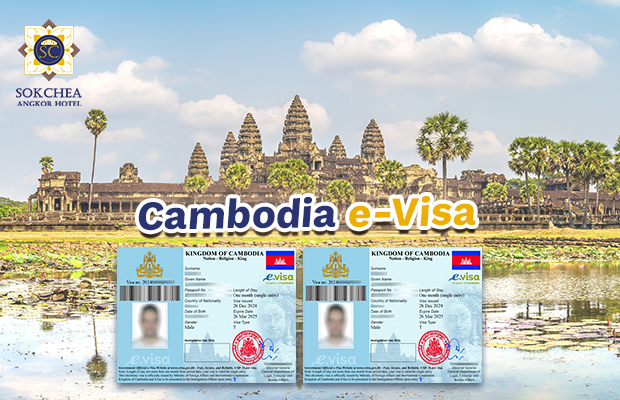
If you’re planning a trip to Cambodia, getting a visa no longer has to be a hassle. Thanks to the Cambodia e-Visa system, travelers can now apply for a tourist visa entirely online, saving both time and effort.


The Cambodia e-Visa is available to citizens of most countries and is intended strictly for tourism purposes. If you’re traveling for business, work, or any other reason, you’ll need to apply through a Cambodian embassy instead. The e-Visa is valid for three months from the date of issue and allows for a single entry into Cambodia, with a maximum stay of 30 days.


One of the great benefits of the e-Visa is that it can be used at several key points of entry. You can enter Cambodia through Phnom Penh, Siem Reap, or Sihanoukville International Airports. If you’re arriving by land, the e-Visa is accepted at Bavet (from Vietnam), Poipet (from Thailand), and Cham Yeam (also from Thailand).


The application process is quick and simple. It usually takes about three business days for approval. All you need is a valid passport with at least six months of validity remaining, a recent passport-style photo (digital format), a valid email address, and a credit or debit card for payment. The cost is typically around $36 USD, which includes a small processing fee.


To apply, just visit the official Cambodia e-Visa website at https://www.evisa.gov.kh. Fill out the online form, upload your photo, and pay the fee. Once approved, your e-Visa will be sent to your email. Be sure to print a copy and bring it with you when you travel.


The Cambodia e-Visa makes visiting this beautiful and culturally rich country easier than ever. Whether you’re planning to explore Angkor Wat, relax on the beaches of Sihanoukville, or discover the vibrant capital of Phnom Penh, getting your visa is now one less thing to worry about.

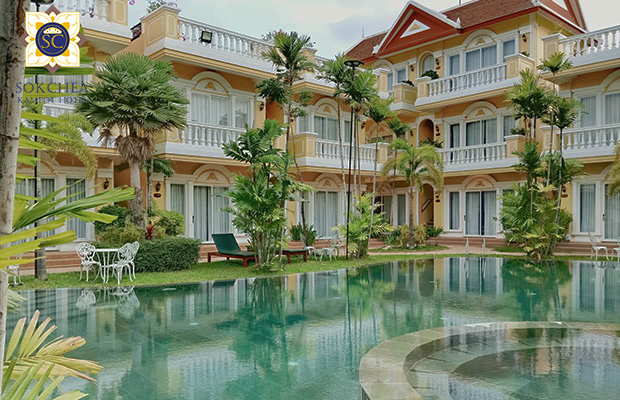
Welcome to Sokchea Kampot Hotel, where luxury meets tranquility in the heart of Kampot.

Immerse yourself in the serene ambiance of our hotel, where every detail is designed to provide you with a peaceful retreat from the hustle and bustle of daily life. Relax and unwind in our well-appointed rooms, meticulously designed to offer the utmost comfort and convenience for our guests. Take in the breathtaking views of the surrounding mountains from your private balcony, and let the tranquil ambiance of Kampot wash over you.

Rest easy knowing that modern amenities such as air conditioning, a safety deposit box, and a flat-screen TV are readily available in every room, ensuring a comfortable and enjoyable stay.

Stay connected throughout your visit with complimentary WiFi available throughout the property. Whether you’re catching up on emails or sharing your Kampot adventures with loved ones, our reliable internet service ensures you’re always connected.

Conveniently located near popular attractions such as the Kampot Provincial Museum and Kampot Train Station, our hotel makes it easy for you to explore the rich history and culture of Kampot. For those seeking outdoor adventures, the picturesque Teuk Chhou Rapids are just a short drive away, offering a refreshing escape into nature.

Whether you’re here for business or pleasure, Sokchea Kampot Hotel offers the perfect blend of luxury, comfort, and convenience for your stay in Kampot. We look forward to welcoming you and ensuring you have an unforgettable experience with us.

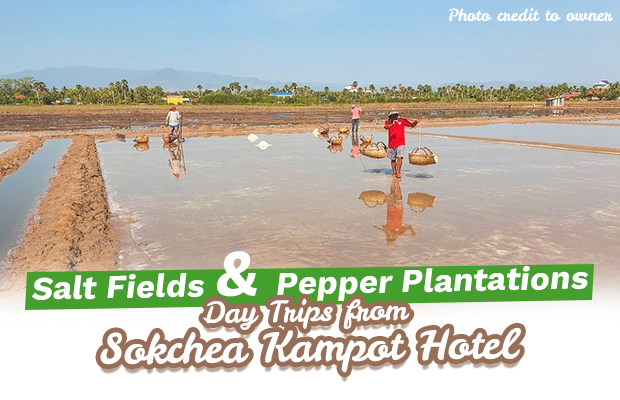
A stay at Sokchea Kampot Hotel offers more than just comfort and convenienceβ€”it opens the door to some of Cambodia’s most fascinating cultural and agricultural experiences. Among the most memorable day trips from the hotel are visits to the region’s iconic salt fields and pepper plantations, where guests can witness traditional livelihoods that have shaped Kampot’s identity for generations.

Just a short drive from the hotel, the Kampot salt fields stretch across a shimmering landscape near the coast. During the dry season, visitors can observe the meticulous process of salt production, from channeling seawater into evaporation ponds to collecting the gleaming crystals by hand. The scene is both picturesque and educational, revealing the hard work and natural harmony behind this essential trade.

Equally captivating are the pepper plantations nestled in the lush countryside. Kampot pepper, renowned worldwide for its exceptional aroma and quality, has earned a protected geographical indication (PGI) status. A guided tour offers guests the chance to stroll through verdant vines, learn about organic farming methods, and sample freshly harvested pepper varietiesβ€”from mild to fiery.

Sokchea Kampot Hotel can easily arrange private tours or group excursions to these sites, ensuring comfort and authentic insight along the way. Whether for photographers, food lovers, or cultural explorers, these day trips provide a deeper appreciation of Kampot’s rural charm and rich heritage.

Exploring the salt fields and pepper plantations truly completes the Kampot experience.

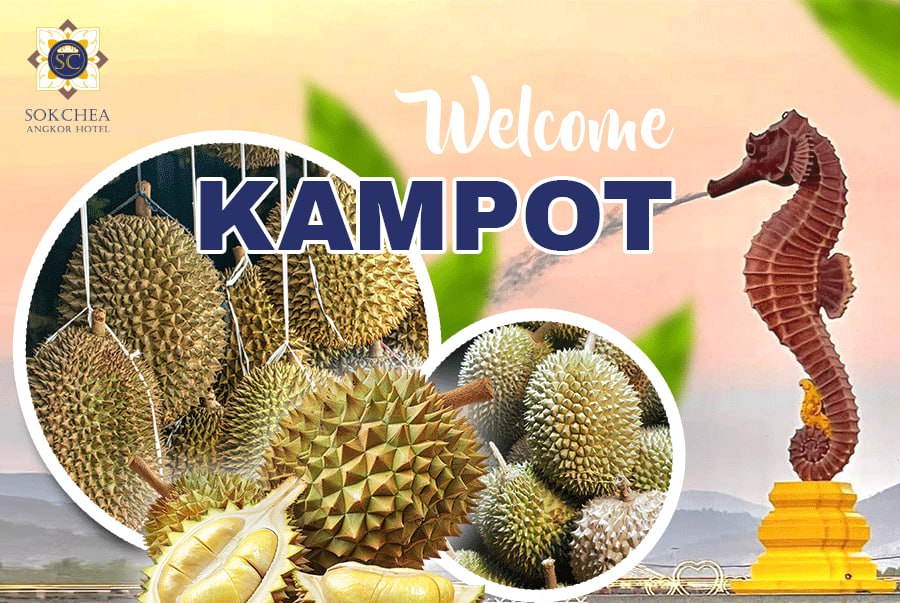
Kampot, known for its lush landscapes and agricultural richness, is indeed home to several durian farms. Durian, famously dubbed the “king of fruits,” thrives in the region’s tropical climate, making Kampot an ideal location for cultivating this unique and pungent fruit.

Visiting a durian farm in Kampot offers travelers the opportunity to experience firsthand the cultivation and harvesting process of this iconic fruit. Depending on the farm, visitors may be able to participate in guided tours where they can learn about durian cultivation techniques, explore the orchards, and even taste freshly harvested durians.

In addition to durians, many farms in Kampot also cultivate other fruits such as mangoes, rambutans, and pomelos, providing a diverse agricultural experience for visitors.

Kampot Durian, renowned for its unique flavor and aroma, typically ripens and becomes available for harvest during the durian season, which generally spans from May to September. However, the exact timing can vary depending on weather conditions and the specific variety of durian being cultivated.

During the durian season, you’ll find an abundance of this prized fruit at local markets, roadside stalls, and durian farms throughout Kampot and the surrounding regions. Many farmers also offer durian tasting experiences, allowing visitors to sample different varieties and learn more about this beloved fruit.

Looking for the accommodation in kampot, look no further than Sokchea Kampot Hotel.


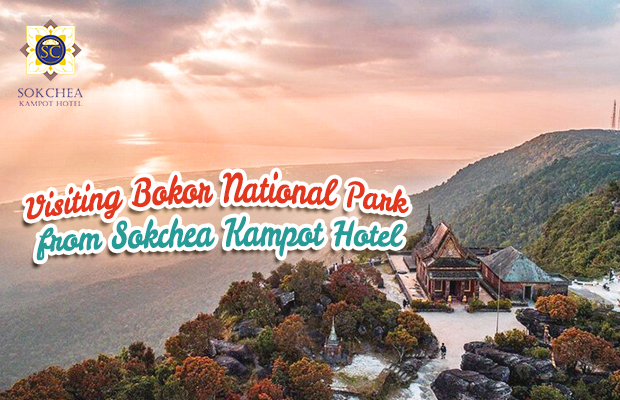
Visiting Bokor National Park from the Sokchea Kampot Hotel is one of the most rewarding day trips for travelers seeking a blend of nature, history, and sweeping mountain views. Located just a short drive from Kampot town, the park is easily accessible, making it convenient for guests staying at Sokchea Hotel. Most visitors begin their journey early in the morning to enjoy the cooler temperatures and the mist that often blankets the mountain’s winding roads.

The ascent to the park is a highlight in itself. As you travel higher, the landscape shifts from lowland countryside to dense evergreen forest, offering a refreshing change from the warm city air. The well-paved road makes the trip comfortable, whether by motorbike, tuk-tuk, or private car arranged through the hotel. Upon reaching the top, travelers are greeted with panoramic views of Kampot’s coastline.

Inside Bokor National Park, visitors can explore several iconic attractions. The Old French Hill Station, with its abandoned church and eerie, fog-covered hotel, provides a fascinating glimpse into Cambodia’s colonial past. Nearby, the Lok Yeay Mao Monument and Wat Sampov Pram offer cultural stops surrounded by dramatic cliffside scenery. Nature lovers can continue deeper into the park to visit Popokvil Waterfall, especially vibrant during the rainy season.

After a full day of sightseeing, guests can return to Sokchea Kampot Hotel to enjoy its peaceful atmosphere, making the trip both convenient and enriching. Visiting Bokor National Park from Kampot is a must for anyone seeking adventure, history, and breathtaking landscapes.

αž’αžΆαžŽαžΆαž…αž€αŸ’αžšαžαŸ’αž˜αŸ‚αžš αž‚αžΊ αž‡αžΆ αžŸαž˜αŸαž™ αž˜αž½αž™ αžŠαŸ‚αž› αž˜αžΆαž“ αž—αžΆαž–αžšαž»αž„αžšαžΏαž„ αž”αŸ†αž•αž»αžαž€αŸ’αž“αž»αž„αž”αŸ’αžšαžœαžαŸ’αžαž·αžŸαžΆαžŸαŸ’αžαŸ’ αžšαž‡αžΆαžαž·αžαŸ’αž˜αŸ‚αžšαŸ” αžŠαŸ„αž™αžŸαžΆαžš αž αŸαžαž»αžŠαŸ‚αž›αžαŸ’αž˜αŸ‚αžšαž˜αžΆαž“αžŠαŸ‚αž“αžŠαžΈαž’αŸ†αž’αŸαž„ αž“αž·αž„αžœαž·αžŸαžΆαž›αž—αžΆαž– αž™αŸ‰αžΆαž„αž…αŸ’αžšαžΎαž“ αž’αžΆαžŽαžΆαž…αž€αŸ’αžšαžαŸ’αž˜αŸ‚αžš αžαŸ’αžšαžΌαžœαž”αžΆαž“αž αŸ…αžαžΆ β€œαž˜αž αžΆαž’αžΆαžŽαžΆαž…αž€αŸ’αžšαžαŸ’αž˜αŸ‚αžšβ€αŸ” αž”αŸ’αžšαžœαžαŸ’αžαž·αžŸαžΆαžŸαŸ’αžαŸ’αžš αžšαž”αžŸαŸ‹αž’αžΆαžŽαžΆαž…αž€αŸ’αžš αž“αŸαŸ‡αžαŸ’αžšαžΌαžœαž”αžΆαž“αž…αž„αž€αŸ’αžšαž„ αž“αž·αž„αžšαž€αŸ’αžŸαžΆαž‘αž»αž€αžαžΆαž˜αžšαž™αŸˆαžŸαž·αž›αžΆαž…αžΆαžšαžΉαž€ αž“αž·αž„αžŸαžΆαžŸαŸ’αžαŸ’αžšαžΆαžŸαŸ’αž›αžΉαž€αžšαžΉαžαŸ”

αžŸαžΆαžŸαŸ’αžαŸ’αžšαžΆαžŸαŸ’αž›αžΉαž€αžšαžΉαž αž‚αžΊαž‡αžΆαž‚αž˜αŸ’αž–αžΈαžš ឬ αž’αžαŸ’αžαž”αž‘αž”αž»αžšαžΆαžŽαžŠαŸ‚αž›αžαŸ’αžšαžΌαžœαž”αžΆαž“αž…αžΆαžšαž“αŸ…αž›αžΎαžŸαŸ’αž›αžΉαž€αžšαžΉαžαŸ” αžŸαŸ’αž›αžΉαž€αžšαžΉαžαž‚αžΊαž‡αžΆαžŸαŸ’αž›αžΉαž€αžšαž”αžŸαŸ‹αžŠαžΎαž˜αž‘αŸ’αžšαžΆαŸ†αž„ αžŠαŸ‚αž›αž˜αžΆαž“αž”αŸ’αžšαž—αž–αž˜αž€αž–αžΈαž—αžΆαž‚αžαžΆαž„αž€αžΎαž αž“αž·αž„αžαžΆαž„αž‡αžΎαž„αž“αŸƒαž”αŸ’αžšαž‘αŸαžŸαž₯αžŽαŸ’αžŒαžΆ αž“αž·αž„αžŸαŸ’αžšαžΈαž›αž„αŸ’αž€αžΆαŸ” αž“αŸ…αž€αŸ’αž“αž»αž„αžαŸ†αž”αž“αŸ‹αž’αžΆαžŸαŸŠαžΈαž’αžΆαž‚αŸ’αž“αŸαž™αŸ αžŠαžΎαž˜αž‘αŸ’αžšαžΆαŸ†αž„αž“αŸαŸ‡αž’αžΆαž…αžšαž€αžƒαžΎαž‰αž“αŸ…αž”αŸ’αžšαž‘αŸαžŸαž€αž˜αŸ’αž–αž»αž‡αžΆ αžαŸƒ αž“αž·αž„αž—αžΌαž˜αžΆαŸ” αž“αŸ…αž”αŸ’αžšαž‘αŸαžŸαž€αž˜αŸ’αž–αž»αž‡αžΆ αžŠαžΎαž˜αž‘αŸ’αžšαžΆαŸ†αž„αž˜αžΆαž“αž…αŸ’αžšαžΎαž“αž“αŸ…αžαŸαžαŸ’αžαž€αŸ’αžšαž…αŸαŸ‡ αž“αž·αž„αž€αŸ†αž–αž„αŸ‹αž’αŸ†αŸ”

αžŸαž˜αŸ’αžŠαŸαž…αž–αŸ’αžšαŸ‡αžŸαž„αŸ’αžƒαžšαžΆαž‡ αž‡αž½αž“αžŽαžΆαž αž”αžΆαž“αž–αž“αŸ’αž™αž›αŸ‹αžαžΆ αž–αžΆαž€αŸ’αž™ β€œαžŸαžΆαžŸαŸ’αžαŸ’αžšαžΆβ€ αž€αŸ’αž“αž»αž„αž—αžΆαžŸαžΆαž”αžΆαž›αžΈ αž“αž·αž„αžŸαŸ†αžŸαŸ’αž€αŸ’αžšαžΉαž αž˜αžΆαž“αž“αŸαž™αžαžΆ αž€αŸ’αž”αž½αž“αž…αŸ’αž”αžΆαž”αŸ‹ ឬ αžŸαŸαž…αž€αŸ’αžαžΈαžŠαžΉαž„ αžŠαŸ‚αž›αž–αžΆαž€αŸ‹αž–αž“αŸ’αž’αŸαž‘αŸ…αž“αžΉαž„αž…αŸ†αžŽαŸαŸ‡αžŠαžΉαž„ αžœαž·αž‘αŸ’αž™αžΆαžŸαžΆαžŸαŸ’αžαŸ’αžš αžŸαžΆαžŸαž“αžΆ αž…αŸ’αž”αžΆαž”αŸ‹ αž“αž·αž„αž‘αŸ’αžšαžΉαžŸαŸ’αžαžΈαž’αŸ†αž–αžΈαž‡αžΈαžœαž·αžαŸ” αž’αŸ’αž“αž€αžŸαŸ’αžšαžΆαžœαž‡αŸ’αžšαžΆαžœαžαŸ’αž›αŸ‡αž‘αŸ€αžαž€αŸαž”αžΆαž“αžšαŸ€αž”αžšαžΆαž”αŸ‹αžαžΆ αžŸαžΆαžŸαŸ’αžαŸ’αžšαžΆαžŸαŸ’αž›αžΉαž€αžšαžΉαžαž˜αžΆαž“αž€αŸ†αžŽαžΎαžαž…αžΆαž”αŸ‹αž–αžΈαžŸαž˜αŸαž™αž’αž„αŸ’αž‚αžšαŸ”

αžŸαžΆαžŸαŸ’αžαŸ’αžšαžΆαžŸαŸ’αž›αžΉαž€αžšαžΉαž αžαŸ’αžšαžΌαžœαž”αžΆαž“αž•αŸ’αžŸαž–αŸ’αžœαž•αŸ’αžŸαžΆαž™αžŠαž›αŸ‹αž”αŸ’αžšαž‡αžΆαž‡αž“αžαŸ’αž˜αŸ‚αžšαž™αŸ‰αžΆαž„αž‘αžΌαž›αŸ†αž‘αžΌαž›αžΆαž™ αž“αŸ…αžŸαž˜αŸαž™αž€αžΆαž›αž˜αž»αž“αŸ— αž αžΎαž™αžαŸ’αžšαžΌαžœαž”αžΆαž“αž”αŸ’αžšαžΎαž”αŸ’αžšαžΆαžŸαŸ‹αž‡αžΆαž”αŸ’αžšαž…αžΆαŸ†αŸ” αž”αŸ‰αž»αž“αŸ’αžαŸ‚αž–αŸαž›αž€αž“αŸ’αž›αž„αž˜αž€ αžœαž”αŸ’αž”αž’αž˜αŸŒαžŸαž·αž›αžΆαž…αžΆαžšαžΉαž€ αž“αž·αž„αžŸαžΆαžŸαŸ’αžαŸ’αžšαžΆαžŸαŸ’αž›αžΉαž€αžšαžΉαžαž€αŸαž”αžΆαž“αžšαž›αžΆαž™αž”αžΆαžαŸ‹αž”αž„αŸ‹αž”αž“αŸ’αžαž·αž…αž˜αŸ’αžαž„αŸ— αžŠαŸ„αž™αžŸαžΆαžšαž’αžœαžαŸ’αžαž˜αžΆαž“αž“αŸƒαž€αžΆαžšαžšαž€αŸ’αžŸαžΆαž‘αž»αž€ αž“αž·αž„αž€αžΆαžšαž…αŸ‚αž€αž…αžΆαž™αžαŸ’αžœαŸ‡αžαžΆαžαŸ”

αžŸαž–αŸ’αžœαžαŸ’αž„αŸƒ αžŸαžΆαžŸαŸ’αžαŸ’αžšαžΆαžŸαŸ’αž›αžΉαž€αžšαžΉαžαž—αžΆαž‚αž…αŸ’αžšαžΎαž“ αžαŸ’αžšαžΌαžœαž”αžΆαž“αžšαž€αŸ’αžŸαžΆ αž“αž·αž„αž”αŸ’αžšαžΎαž”αŸ’αžšαžΆαžŸαŸ‹αž“αŸ…αžαŸ‚αž€αŸ’αž“αž»αž„αžœαžαŸ’αžαž’αžΆαžšαžΆαž˜αž”αŸ‰αž»αžŽαŸ’αžŽαŸ„αŸ‡ αžŠαžΌαž…αŸ’αž“αŸαŸ‡ αžœαžΆαž€αŸαž˜αžΆαž“αž αžΆαž“αž·αž—αŸαž™αž”αžΆαžαŸ‹αž”αž„αŸ‹αž”αž“αŸ’αžαž·αž…αž˜αŸ’αžαž„αŸ— αž•αž„αžŠαŸ‚αžšαŸ” αž”αžŽαŸ’αžαžΆαž›αž˜αž€αž–αžΈαž€αžΆαžšαžšαžΈαž€αž…αž˜αŸ’αžšαžΎαž“αž“αŸƒαž”αž…αŸ’αž…αŸαž€αžœαž·αž‘αŸ’αž™αžΆαž‘αŸ†αž“αžΎαž” αžŠαŸ‚αž›αžšαŸ†αž–αžΉαž„αž±αŸ’αž™αž”αŸ’αžšαžΎαžŸαŸ€αžœαž—αŸ… αž¬αžœαž·αž’αžΈαžŸαžΆαžŸαŸ’αžαŸ’αžšαžŒαžΈαž‡αžΈαžαž›αž‡αŸ†αž“αž½αžŸαŸ”

αžŸαžšαž»αž”αž˜αž€ αžŸαžΆαžŸαŸ’αžαŸ’αžšαžΆαžŸαŸ’αž›αžΉαž€αžšαžΉαžαž‚αžΊαž‡αžΆαž‘αŸ’αžšαž–αŸ’αž™αžŸαž˜αŸ’αž”αžαŸ’αžαž·αž”αž»αžšαžΆαžŽαžŠαŸαž˜αžΆαž“αžαž˜αŸ’αž›αŸƒ αžŠαŸ‚αž›αž”αž„αŸ’αž αžΆαž‰αž–αžΈαž—αžΆαž–αž…αž˜αŸ’αž”αž„αž“αŸƒαžœαž”αŸ’αž”αž’αž˜αŸŒ αž“αž·αž„αžŸαŸ’αž˜αžΆαžšαžαžΈαžŠαŸαžαŸ’αž–αž„αŸ‹αžαŸ’αž–αžŸαŸ‹αžšαž”αžŸαŸ‹αž‡αžΆαžαž·αžαŸ’αž˜αŸ‚αžšαŸ” αžœαžΆαž’αžΆαž…αž‡αžΆαž‚αž˜αŸ’αž–αžΈαžšαžŸαžΆαžŸαž“αžΆ αž¬αž―αž€αžŸαžΆαžšαžŠαŸ‚αž›αžšαŸ€αž”αžšαžΆαž”αŸ‹αž’αŸ†αž–αžΈαž–αž„αŸ’αžŸαžΆαžœαžαžΆαžšαž“αŸƒαž”αŸ’αžšαž‘αŸαžŸαžαŸ’αž˜αŸ‚αžšαž™αžΎαž„αž•αž„αžŠαŸ‚αžšαŸ”

The Khmer Empire was one of the most glorious periods in Cambodian history. Due to the vast territory under Khmer control, it earned the title of the “Great Khmer Empire.” This rich history has been recorded and preserved through stone inscriptions and Sastra SlΓ«k RΓ«et (palm-leaf manuscripts).

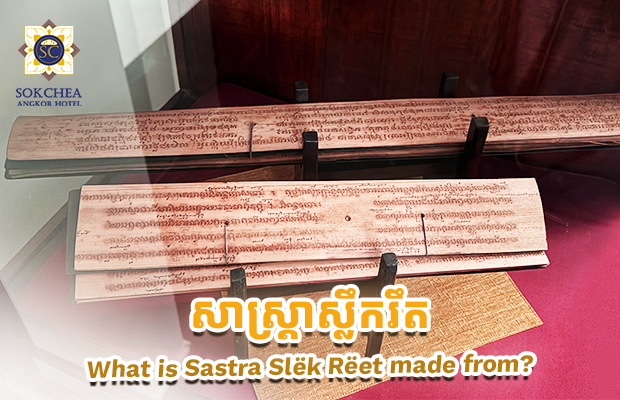
What is Sastra SlΓ«k RΓ«et made from?
Sastra SlΓ«k RΓ«et refers to ancient texts inscribed on palm leaves, specifically the leaves of the T’rang tree (Corypha palm). This tree originates from the eastern and northern parts of India and Sri Lanka. In Southeast Asia, the T’rang tree can be found in countries like Cambodia, Thailand, and Myanmar. In Cambodia, the tree is mostly found in Kratie and Kampong Thom provinces.

According to Samdech Preah Sangharaja Chuon Nath, the word Sastra in Pali and Sanskrit means “doctrine,” referring to knowledge, sciences, religion, law, and philosophies about life. Some scholars have stated that Sastra SlΓ«k RΓ«et dates back to the Angkor period.

These palm-leaf manuscripts were widely shared among Khmer people in the past and used over many generations. However, as time went on, both the tradition of stone inscriptions and the use of palm-leaf manuscripts have gradually faded. Today, Sastra SlΓ«k RΓ«et is mostly preserved and used only within Buddhist pagodas. As a result, it is slowly being lost due to the rise of modern technology such as printed books and digital formats.

In conclusion, Sastra SlΓ«k RΓ«et is a valuable cultural heritage of the Khmer people. These texts, written on palm leaves, include religious scriptures and historical records that reflect the wisdom and identity of the Khmer civilization.

#at Sokchea Angkor Hotel Lobby